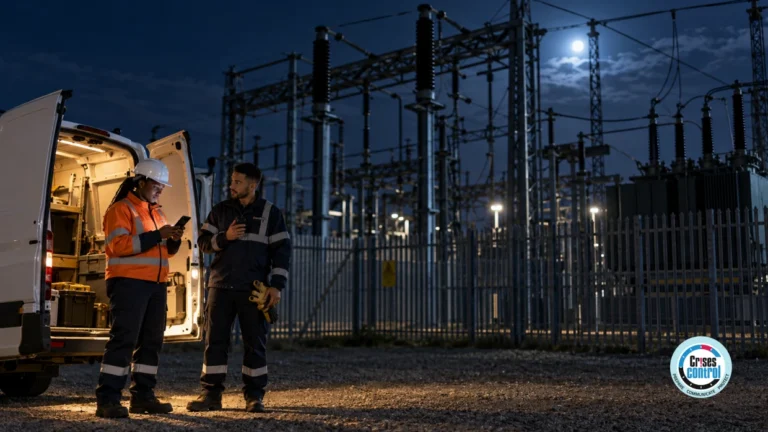
A loud bang echoes through a manufacturing facility after an electrical fault shuts down a critical production line.
Within moments, operators stop nearby equipment while maintenance engineers head towards the affected area. The Environmental, Health and Safety (EHS) team begins assessing potential hazards, supervisors account for employees and contractors, and production managers start estimating how much output will be lost if operations cannot restart quickly.
At first, everything appears to be under control because the organisation has an emergency response plan.
Then the questions begin.
Does everyone know their role? Have contractors been accounted for? Who is responsible for communicating with senior leadership? Can production safely continue in unaffected areas? Where is the latest version of the emergency procedures? Has anyone confirmed that the right people have received the instructions?
These are not questions organisations should be asking during an emergency. They should already know the answers.
This is where many manufacturing organisations discover an uncomfortable truth. Having a documented emergency plan is not the same as being prepared for an emergency. A plan may satisfy compliance requirements, but that does not guarantee people can follow it confidently when production is disrupted, information is changing quickly and several departments are responding at the same time.
Under operational pressure, even well-written procedures can become difficult to follow if information is scattered across paper documents, different departments or individual people’s knowledge. Teams may understand their own responsibilities, yet still struggle to coordinate with everyone else involved in the response. The result is often unnecessary delays, duplicated effort and slower decision-making at exactly the moment the organisation needs clarity.
This is where Manufacturing Incident Management Software helps organisations move beyond compliance. Instead of simply storing emergency procedures, it supports a structured response by bringing together communication, incident management, operational visibility and employee safety within one coordinated process. Combined with Incident Management Software and Employee Safety Software, it helps ensure every team is working from the same verified information throughout the incident.
For organisations looking to strengthen operational coordination across manufacturing incidents, our guide to Manufacturing Incident Management Software explores how structured incident response helps reduce disruption during equipment failures, chemical spills and other operational emergencies.
The most resilient manufacturers rarely succeed because they have more procedures than everyone else. They succeed because they regularly challenge their assumptions before an emergency tests them.
What Is Manufacturing Incident Management Software?
Manufacturing Incident Management Software is a platform that helps organisations prepare for, coordinate and document operational incidents affecting production, employee safety and business continuity. It combines emergency communication, incident reporting, task management and operational visibility so every department can respond using the same verified information.
Rather than relying on printed emergency plans, disconnected spreadsheets or individual experience, it provides a structured way to activate incidents, communicate with the right people, assign responsibilities and maintain visibility throughout the response.
For Plant Managers, Operations Directors and EHS Managers, its value extends well beyond emergency communication. It creates a shared operational picture that helps leadership understand what is happening, what actions are underway and where additional decisions may be needed before small issues develop into larger operational problems.
Emergency preparedness is not simply about writing plans. It is about making sure those plans remain practical when people are under pressure.
Why Emergency Plans Alone Are Not Enough
Most manufacturing organisations invest significant time developing emergency procedures. They carry out risk assessments, maintain evacuation plans, provide employee training and meet regulatory requirements. These activities are essential, but they represent only part of emergency preparedness.
The real challenge begins when those plans are tested during a live incident.
People do not have the luxury of reading lengthy procedures while production is disrupted. Supervisors cannot stop an emergency while searching through folders for the latest version of an emergency response plan. Leadership cannot wait for updates from every department before making operational decisions, and employees need clear instructions immediately rather than lengthy documents explaining what should happen.
Emergency preparedness is not measured by the quality of the document. It is measured by how confidently people can move from planning to coordinated action when normal operations are disrupted.
One of the most effective ways to evaluate that readiness is by asking practical leadership questions before an emergency occurs. Questions often reveal weaknesses that document reviews and compliance audits never identify.
Industry guidance from OSHA also emphasises that emergency action plans should clearly define reporting procedures, responsibilities, evacuation arrangements and communication processes so organisations can respond consistently under pressure.
The following ten questions provide a practical framework for evaluating emergency preparedness beyond compliance, helping manufacturing leaders assess operational resilience, decision-making and coordination before the next emergency puts those plans to the test.
The 10 Questions Every Plant Manager Should Ask
A written emergency plan is valuable, but it only proves that the organisation has documented its intentions. It does not prove that people can carry out those plans under operational pressure. One of the most effective ways to evaluate emergency preparedness is to ask practical leadership questions that reveal weaknesses before an emergency does.
1. Would Every Employee Know What To Do Within The First Five Minutes?
The first few minutes often determine whether an incident remains manageable or develops into a much larger operational problem. Employees should not have to search for procedures or wait for verbal instructions before taking action. They need to understand how to raise the alarm, where to go, who to report to and what responsibilities apply to their role. Contractors and visitors should be included in these arrangements rather than treated as an afterthought.
If different groups would respond differently to the same incident, the emergency plan may not be as clear or as practical as it appears.
2. Could You Contact The Right People Immediately?
Many organisations maintain emergency contact lists. Far fewer know whether those lists are accurate, whether key personnel can be reached outside normal working hours or whether contractors and external partners would receive the information they need quickly enough.
Ask yourself:
- Would key decision-makers receive notifications immediately?
- Are contact details reviewed regularly?
- Can communication continue if one channel becomes unavailable?
- Can messages be targeted according to roles and responsibilities?
Reliable communication is just as important as having the right procedures. If people cannot be contacted quickly, even the best emergency plan becomes difficult to execute.
3. Would Leadership Have A Clear Operational Picture?
Receiving regular updates is not the same as understanding what is happening.
Plant Managers and Operations Directors need a complete operational picture that answers questions such as:
- Which production areas are affected?
- Have employees and contractors been accounted for?
- What actions have already been completed?
- Which risks remain unresolved?
- Can production continue safely in unaffected areas?
When leadership receives fragmented updates from multiple departments, decision-making slows because valuable time is spent verifying information instead of directing the response.
4. Are Roles And Responsibilities Clearly Defined?
During an emergency, uncertainty about responsibility creates unnecessary delays.
Maintenance should not be deciding who contacts leadership. Supervisors should not be wondering who is responsible for accounting for contractors. EHS teams should not have to clarify who has authority to isolate an area while an incident is unfolding.
Everyone involved should clearly understand:
- Their own responsibilities.
- Who they report to.
- What decisions they are authorised to make.
- When responsibility transfers to someone else.
The clearer these responsibilities are before an incident occurs, the more confidently teams can respond when it does.
5. Would Contractors Be Managed As Effectively As Employees?
Manufacturing facilities often have contractors carrying out maintenance projects, equipment installations or specialist engineering work. During an emergency, they face many of the same risks as employees but are sometimes overlooked when emergency arrangements are reviewed.
Consider whether your organisation could answer these questions confidently:
- Are contractors included in emergency communications?
- Can they receive instructions immediately?
- Would they know where to assemble?
- Could they be accounted for quickly?
Emergency preparedness should extend to everyone on site, not only permanent employees. A response is only as effective as the least prepared group involved.
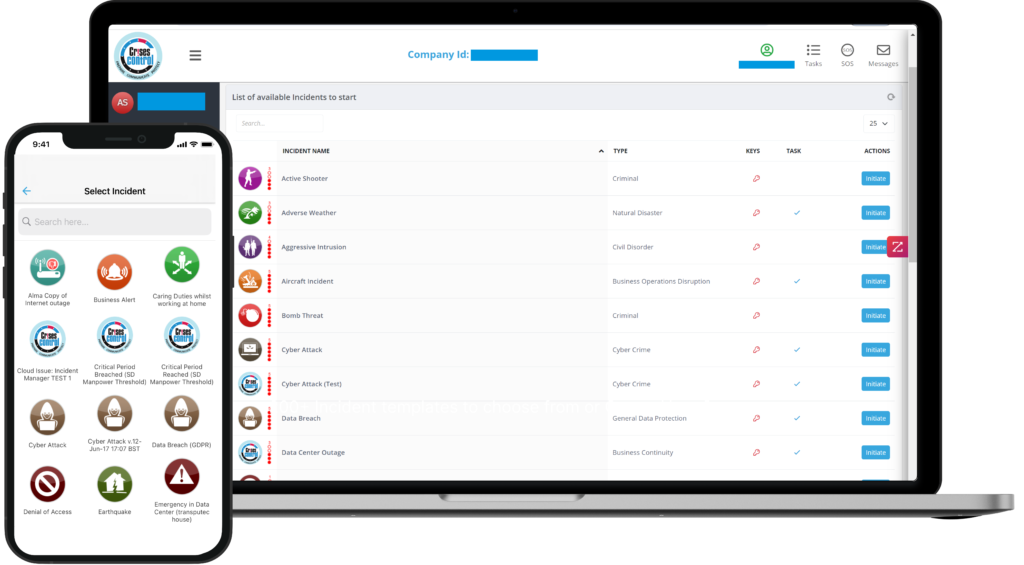
Interested in our Incident Management Software?
Flexible Incident Management Software to keep you connected and in control.
6. Can You See What Is Happening Without Chasing Updates?
During a major incident, information changes constantly. Production supervisors report on affected lines, maintenance confirms equipment isolation, the EHS team provides safety updates, security manages site access and leadership tries to understand the wider operational impact.
If leaders have to phone multiple departments just to understand what is happening, valuable time is spent gathering information rather than making decisions.
Ask yourself:
- Can leadership monitor incident progress in real time?
- Is there one trusted source of information?
- Can completed and outstanding actions be tracked easily?
- Would decision-makers know immediately if the situation deteriorated?
A shared operational picture allows leaders to focus on directing the response instead of assembling it from separate conversations.
7. Could You Demonstrate What Happened Afterwards?
Every emergency raises important questions once the immediate danger has passed.
Which decisions were made? Who approved them? When were emergency services contacted? Which employees acknowledged emergency instructions?
Without reliable records, organisations often rely on memory, handwritten notes or email trails that may be incomplete or inconsistent.
Good incident management is about more than responding effectively. It is also about learning from every incident and demonstrating that procedures were followed appropriately. Accurate documentation supports investigations, regulatory reporting, internal reviews and continual improvement.
8. Would Production Continue If One Area Became Unavailable?
Many emergency plans focus primarily on evacuation and employee safety. These priorities are essential, but manufacturing leaders also need to consider operational continuity.
Ask yourself:
- Can production move to another line?
- Which customer orders would be affected first?
- Are critical suppliers likely to be disrupted?
- How would customers be informed if delays became unavoidable?
Preparedness is not only about managing the emergency itself. It is also about reducing unnecessary disruption to the wider business.
9. Have You Tested Your Plan Under Realistic Conditions?
A plan that looks comprehensive on paper can still fail when people are working under pressure.
Emergency exercises often expose outdated contact details, unclear responsibilities, communication delays and practical obstacles that are rarely identified during document reviews alone.
The most effective organisations do not treat exercises as compliance activities. They use them to answer one important question:
Would this plan still work if the emergency happened today?
Testing should involve the same departments that would respond during a real incident, including operations, maintenance, EHS, leadership, contractors and external partners where appropriate.
10. Would Your Response Still Work At 2 A.M.?
Many manufacturing facilities operate around the clock. Night shifts, weekends and public holidays often have fewer people on site, different supervisors and reduced access to specialist resources.
An emergency response that works perfectly during normal office hours may look very different outside those hours.
Ask yourself:
- Would the right people still be notified immediately?
- Could leadership still access accurate operational information remotely?
- Would response plans be available to those leading the incident?
- Could responsibilities still be carried out if key personnel were unavailable?
True preparedness means having confidence that your response will work regardless of the time, the shift or the people on duty.
What These Questions Reveal
None of these questions are intended to catch organisations out. Their purpose is to reveal whether emergency preparedness exists only on paper or whether it will remain effective when production is disrupted, decisions need to be made quickly and several departments are responding at the same time.
Manufacturers with strong emergency preparedness rarely have perfect plans. Instead, they have plans that people understand, test regularly and can apply confidently under pressure. They also recognise that preparedness is not static. It develops through regular reviews, realistic exercises and continuous improvements based on lessons learned from incidents and training.
That is often the difference between a controlled response and an organisation struggling to regain control.
How Manufacturing Incident Management Software Supports Emergency Preparedness
This is where Manufacturing Incident Management Software helps organisations move beyond static emergency plans and paper-based procedures.
Emergency preparedness is not simply about documenting what should happen during an incident. It is about making sure the right people can access the right information, carry out the right actions and maintain visibility throughout the response, regardless of where they are or when the incident occurs.
An integrated incident management platform connects emergency planning, communication, task management and operational reporting into one structured process. When an incident occurs, authorised personnel can activate predefined response plans immediately and notify the appropriate teams according to their roles. Instead of relying on manual phone calls or individuals remembering the next step, every department follows a coordinated response that reflects the organisation’s established emergency procedures.
As the incident develops, leadership gains visibility into:
- Which employees and contractors have acknowledged emergency notifications.
- What response activities have been assigned.
- Which tasks have been completed.
- Outstanding operational or safety risks.
- The impact on production and business continuity.
- Decisions and actions recorded throughout the incident.
This shared operational picture enables Plant Managers, Manufacturing Directors, Operations Directors, EHS Managers and Business Continuity Managers to make decisions using the same verified information rather than relying on separate departmental updates.
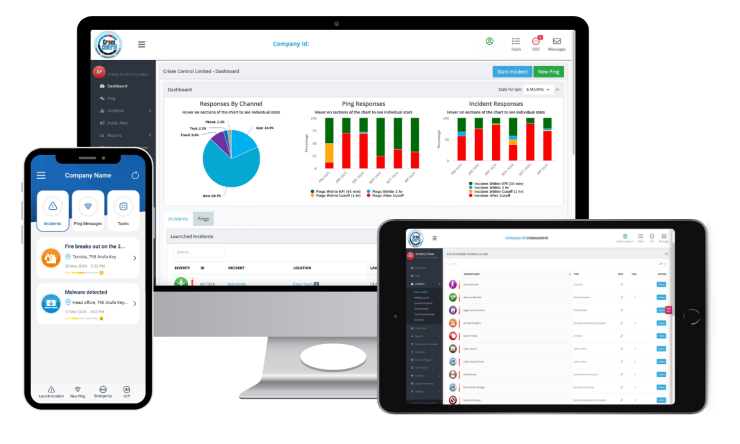
Solutions such as Crises Control support this approach by helping manufacturers digitalise emergency preparedness while complementing existing factory emergency response plans. Features such as role-based communication, digital emergency plans, employee safety management, acknowledgement tracking, incident reporting, operational dashboards, audit trails and business continuity documentation help organisations strengthen preparedness before an emergency places those plans under pressure.
Technology cannot prevent every emergency. What it can do is provide the visibility, structure and coordination that allow people to respond with greater confidence when unexpected events occur.
Better Emergency Preparedness Begins Before An Incident Happens
Most manufacturing organisations already have emergency plans, evacuation procedures and safety policies. The real question is whether those plans would still work when production is interrupted, key decisions need to be made quickly and several departments are responding simultaneously.
Emergency preparedness is not measured by the number of documents stored in a folder or the outcome of a compliance audit. It is measured by how confidently people can respond when normal operations are disrupted and whether leadership can maintain a clear operational picture throughout the incident.
The ten questions in this article are intended to help manufacturing leaders look beyond compliance and evaluate whether their organisation is genuinely prepared. If any of those questions cannot be answered with confidence, they point to opportunities to strengthen communication, accountability, employee safety and operational resilience before the next emergency occurs.
Solutions such as Crises Control help manufacturers strengthen emergency preparedness through digital emergency plans, role-based communication, employee safety management, operational visibility, incident reporting and business continuity support. By bringing these capabilities together within a single platform, organisations can move from documented procedures to coordinated action when it matters most.
FAQs
1. What Is Manufacturing Incident Management Software?
Manufacturing Incident Management Software helps organisations coordinate emergencies by bringing together incident reporting, emergency communication, task management, employee safety and operational visibility within a single platform. Rather than relying on separate systems and manual processes, it enables every department to respond using the same verified information.
2. Why Should Manufacturers Review Their Emergency Preparedness Regularly?
Emergency preparedness should be reviewed regularly because manufacturing environments constantly change. New production lines, equipment, contractors, operational processes and staffing arrangements can all affect how an organisation responds during an emergency. Regular reviews help identify gaps before they affect a real incident.
3. What Should A Factory Emergency Response Plan Include?
A factory emergency response plan should define reporting procedures, communication methods, evacuation arrangements, clearly assigned responsibilities, contractor management, incident escalation, business continuity considerations and post-incident review processes. It should also be exercised regularly to confirm it remains practical under operational pressure.
4. How Does Employee Safety Software Support Manufacturing Emergencies?
Employee Safety Software helps organisations account for employees, deliver role-based emergency instructions, monitor acknowledgements and improve visibility throughout an incident. This enables leaders to make faster, more informed decisions while helping protect everyone on site.
5. How Often Should Manufacturing Emergency Plans Be Tested?
Manufacturing emergency plans should be reviewed and exercised regularly, particularly after operational changes, new production processes, facility expansions, contractor changes or real incidents. Regular testing helps confirm that communication, responsibilities and response procedures remain effective while identifying opportunities for continual improvement.
This article was drafted with AI assistance and reviewed by the Crises Control team. Featured image: AI-generated.