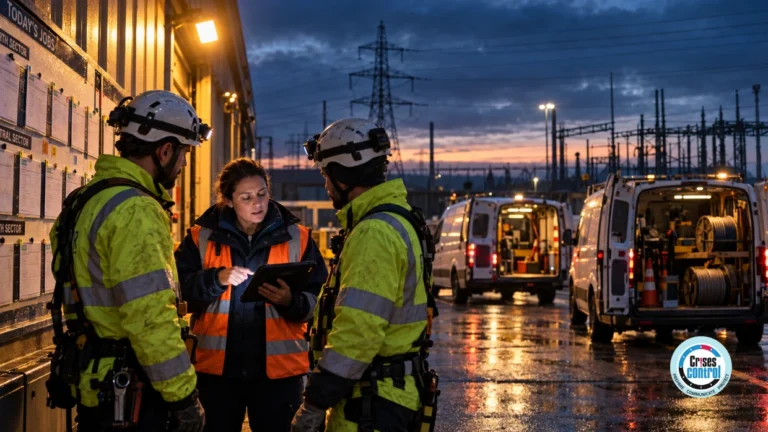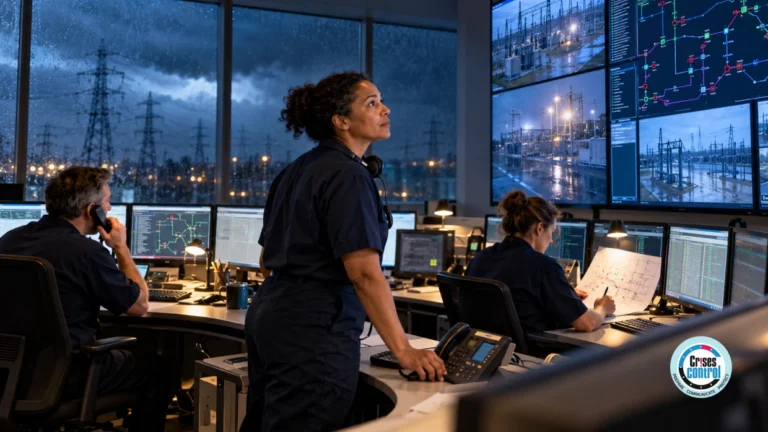
Incident Response Software helps organisations coordinate people, communication and operational decisions during a disruption. In aviation and transport, where a single incident can involve multiple independent teams responding simultaneously, it provides the structure needed to maintain visibility, assign responsibilities and keep the response moving in the right direction.
A runway incursion at a major airport on a busy Saturday afternoon illustrates the challenge. Aircraft crews, air traffic control, airport fire and rescue services, the airport authority’s operations team, airlines and ground handling providers all have different responsibilities, communication channels and priorities. While each team may respond effectively within its own area, the success of the overall response depends on how well those teams work together.
Many organisations still rely on a combination of radio, phone calls, emails and personal relationships to coordinate these complex incidents. That approach can work when events are predictable and everyone involved is familiar with the process. Under real operational pressure, however, it quickly becomes difficult to maintain a shared understanding of the situation, particularly when multiple teams, locations and external agencies are involved.
This is where Incident Response Software becomes essential. Rather than relying on fragmented communication and manual coordination, it provides a shared operational picture that enables every response team to work from the same information, coordinate tasks effectively and adapt as the incident evolves.
Why Incident Response Software Matters During Multi-Team Aviation Incidents
Major aviation and transport incidents rarely become operational crises because of the initial event alone. More often, they escalate because organisations struggle to coordinate multiple response teams once the situation becomes increasingly complex. The weather changes, a critical system fails or an external event occurs. The incident itself creates the disruption, but the effectiveness of the response determines how quickly normal operations can be restored.
The July 2024 CrowdStrike outage demonstrated this on a global scale. Although the software update error originated outside Delta Air Lines’ systems, the airline reported losses of approximately 500 million dollars over five days. The incident required IT, operations, customer service, communications and regulatory teams to respond simultaneously. While the technology failure triggered the disruption, coordinating multiple functions under sustained operational pressure proved to be one of the greatest challenges.
A similar pattern emerged during Southwest Airlines’ December 2022 operational collapse. Severe winter weather initiated the disruption, but investigations later found that crew scheduling limitations, overwhelmed customer communication channels and operational processes struggled to keep pace with the scale of the disruption, making recovery significantly more difficult. As the incident expanded across multiple operational teams, recovery became increasingly difficult.
The same coordination challenges extend beyond aviation. A hazardous materials incident on a motorway may require operations teams, emergency services, environmental specialists, customer service and regulatory authorities to work together. A cyberattack affecting a logistics provider demands simultaneous action from IT, operations, communications and compliance teams. In every case, no single team can resolve the incident alone.
This is why Incident Response Software has become an essential capability for aviation and transport organisations. By providing a shared operational picture, coordinated communication and structured task management, it helps multiple teams respond as one organisation rather than as separate departments working in parallel.
Five Incident Response Challenges That Software Helps Solve
Coordinating multiple response teams is one of the biggest operational challenges facing aviation and transport organisations. Every team may understand its own responsibilities, but keeping everyone aligned as an incident evolves is a different challenge altogether.
Modern Incident Response Software is designed to address these coordination gaps by providing a single operational framework for communication, task management and decision-making. Without that framework, the same issues appear repeatedly during major incidents.
1. No Single Operational View
Every response team has a leader, but that doesn’t necessarily mean anyone has visibility of the entire response.
Operations managers, security teams, air traffic control and ground handling often coordinate through separate conversations, each sharing only part of the overall picture. As the incident develops, maintaining an accurate understanding of who is doing what becomes increasingly difficult.
An effective Operational Visibility Platform gives incident commanders a real-time view of every team, allowing decisions to be based on the full operational picture rather than fragmented updates.
2. Fragmented Incident Communication
Aviation and transport organisations rely on multiple communication systems. Air traffic control operates on dedicated radio frequencies, airlines depend heavily on telephone communication, ground handling teams use separate radio networks and security teams often work through their own command channels.
When a major incident occurs, notifying every team quickly and consistently becomes a challenge. Some teams begin responding immediately while others may not receive the information until valuable time has already been lost.
One of the core functions of Incident Response Software is simultaneous multi-channel notification, ensuring every relevant team receives the same information at the same time and can acknowledge receipt immediately.
3. Duplicate Work And Critical Gaps
Without a shared task structure, two common problems emerge.
Multiple teams complete the same task because nobody has visibility of who is responsible, while other activities are overlooked entirely because each team assumes someone else is handling them.
Modern Incident Management Software reduces both risks by assigning clear ownership, tracking progress in real time and making responsibilities visible across every response team.
4. Escalation Without Complete Situational Awareness
Escalating an incident is one of the most important decisions an incident commander can make.
Whether additional resources are required, external agencies need to be involved or the response level should change depends on having an accurate understanding of the current situation.
When leaders only receive updates from individual teams, escalation decisions are based on incomplete information. A shared operational picture enables faster, more informed decisions by showing the status of the entire response rather than isolated activities.
5. Limited Accountability After The Incident
Once an incident has been resolved, organisations need to understand what happened, which decisions were made and whether the response followed established procedures.
When communication has taken place through phone calls, radio conversations and informal discussions, reconstructing an accurate timeline becomes extremely difficult. Missing information creates challenges for regulatory compliance, insurance investigations and post-incident reviews.
Incident Response Software automatically records alerts, acknowledgements, task updates and key decisions, creating a complete audit trail without relying on manual documentation.
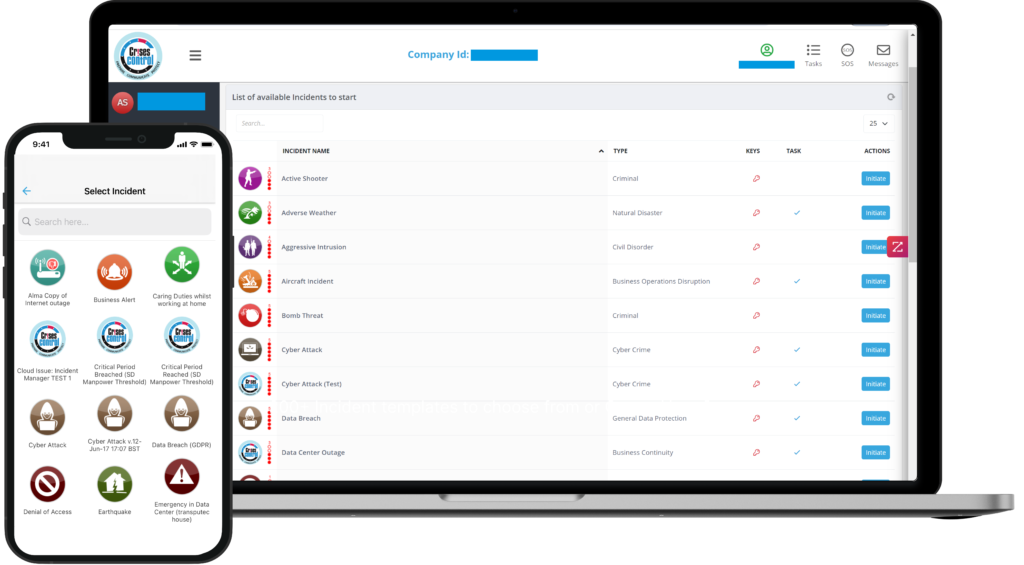
Interested in our Incident Management Software?
Flexible Incident Management Software to keep you connected and in control.
Incident Response Best Practices For Coordinating Multiple Teams
Technology alone doesn’t improve incident response. Successful organisations combine clearly defined processes with the right tools to ensure every team works from the same operational picture.
Across aviation and transport, several incident response best practices consistently improve coordination during complex incidents.
Activate Every Team Simultaneously
When an incident is declared, every relevant team should receive the same information at the same time through the communication channels they already use. Sequential phone calls and manual notification chains create unnecessary delays that become increasingly costly as incidents escalate.
Maintain A Shared Operational Picture
Every team should contribute to and work from the same source of operational information. An Operational Visibility Platform ensures that incident commanders, operational teams and supporting functions all understand the current situation, completed actions and outstanding priorities.
Assign Clear Ownership
Every task should have a clearly defined owner, deadline and escalation path. Instead of repeatedly contacting individual teams for progress updates, incident managers should be able to view the status of every activity from a single dashboard.
Review And Improve Every Response
Every major incident provides an opportunity to strengthen future response capability. Capturing alerts, decisions, acknowledgements and completed tasks automatically allows organisations to identify lessons learned and refine their response plans before the next disruption occurs.
Ultimately, Incident Response Software is not simply a communication tool. It provides the structure that enables multiple teams to coordinate effectively, maintain operational visibility and make informed decisions throughout the entire incident lifecycle.
Why Traditional Communication Tools Are Not Incident Response Software
Many aviation and transport operators have invested heavily in communication technology. Radio networks, messaging platforms and team-specific applications all help individual departments stay connected during day-to-day operations.
The challenge is that major incidents rarely stay within a single department.
Aviation disruptions often require air traffic control, airport operations, airlines, ground handling, emergency services and security teams to respond simultaneously. While each team may have effective communication tools, those systems rarely provide the shared coordination needed to manage a complex incident across the entire organisation.
General collaboration platforms such as Microsoft Teams and Slack improve communication, but they are not Incident Response Software. They are not designed to automate incident activation, assign and track operational tasks, manage escalations or provide a complete audit trail during a live incident.
Similarly, many business continuity platforms help organisations document response plans, but they are not built to execute those plans while multiple teams are actively responding to a rapidly evolving situation.
This is where modern Incident Management Software provides a clear advantage. It combines communication, task management and an Operational Visibility Platform into a single operational workflow, allowing organisations to coordinate complex incidents from the first alert through to post-incident review.
The difference isn’t communication.
It’s execution.
How Crises Control Supports Multi-Team Incident Response
Crises Control is an Incident Response Software and Incident Management Software platform designed to help aviation and transport organisations coordinate multiple response teams from a single operational environment.
Instead of replacing existing communication systems, it provides the coordination layer that connects people, processes and operational information throughout the incident lifecycle.
Key capabilities include:
- Simultaneous multi-channel notifications that reach every relevant team through SMS, voice calls, push notifications, email and the mobile app, ensuring everyone receives the same information at the same time.
- Automated acknowledgement tracking, giving incident managers immediate visibility of who has responded while automatically escalating alerts that remain unacknowledged.
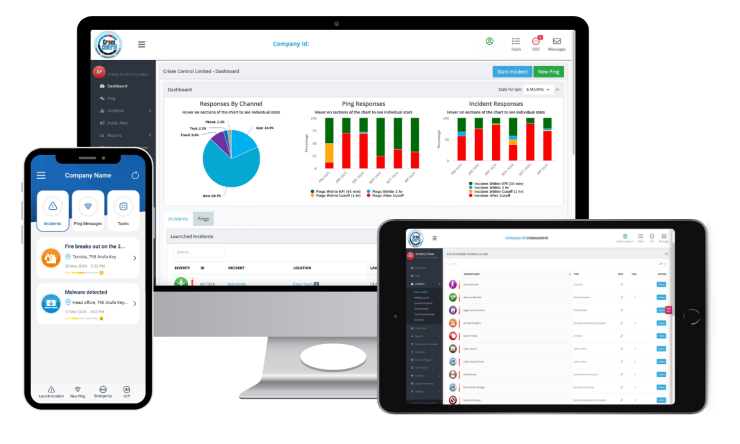
- Cross-team task management, enabling responsibilities to be assigned, monitored and escalated from a single dashboard so every team understands its role throughout the response.
- A shared Operational Visibility Platform, allowing incident commanders and operational leaders to monitor the status of teams, tasks and critical decisions in real time rather than relying on fragmented updates.
- A complete audit trail that automatically records alerts, acknowledgements, task updates and key decisions, supporting regulatory compliance and post-incident reviews.
For organisations operating in aviation, the Crises Control Aviation Incident Management Platform provides configurable workflows that allow response teams to be notified automatically based on the type of incident, helping operators respond consistently while reducing manual coordination.
You can also explore how Crises Control supports:
Strengthening Incident Response Before The Next Incident
The most effective incident responses begin long before an incident occurs.
For aviation and transport organisations, strengthening response capability means identifying every team involved in each incident scenario, defining clear responsibilities, testing communication and activation procedures, and ensuring everyone can work from the same operational picture when an incident unfolds.
Technology alone isn’t enough, but the right Incident Response Software provides the structure that enables people, processes and communication to work together under pressure.
As aviation and transport operations become increasingly interconnected, the ability to coordinate multiple response teams quickly and confidently will continue to play a critical role in operational resilience.
Book a Crises Control demo to see how our Incident Response Software helps aviation and transport organisations coordinate communication, manage tasks, maintain operational visibility and respond more effectively from the first alert through to post-incident review.
FAQs
1. What is Incident Response Software?
Incident Response Software helps organisations coordinate communication, tasks and decision-making during a disruption. It enables response teams to activate incidents quickly, notify the right people, assign responsibilities, track progress and maintain a shared operational picture throughout the response. In aviation and transport, where multiple departments often respond simultaneously, Incident Response Software helps ensure every team works from the same information.
2. How Does Incident Response Software Help Aviation And Transport Organisations?
Aviation and transport incidents often require coordination between operations, air traffic control, airlines, ground handling, emergency services and security teams. Incident Response Software brings these teams together by providing simultaneous multi-channel notifications, shared task management and real-time operational visibility. This reduces delays, improves coordination and helps organisations respond more effectively under pressure.
3. What Are Incident Response Best Practices?
Some of the most effective incident response best practices include activating all response teams simultaneously, establishing a shared operational picture, assigning clear ownership for every task, tracking acknowledgements and documenting key decisions throughout the incident. Regular testing and post-incident reviews also help organisations strengthen future response capability.
4. How Is Incident Management Software Different From General Communication Tools?
General communication platforms allow teams to exchange information, but they are not designed to manage complex operational incidents. Incident Management Software combines communication with task management, automated escalations, acknowledgement tracking and audit reporting, helping organisations coordinate the entire response rather than simply sending messages.
5. Why Is Operational Visibility Important During An Incident?
An Operational Visibility Platform provides a single, real-time view of the incident, allowing every response team to see the latest updates, completed tasks and outstanding actions. Without this shared operational picture, decisions are often based on incomplete information, increasing the risk of duplicated effort, communication gaps and delayed recovery.