Delays are an unavoidable reality for many organisations.
Whether caused by severe weather, technical failures, supply chain disruptions, staffing shortages, cybersecurity incidents, or infrastructure problems, operational delays can quickly impact services, customers, employees, and business performance.
While organisations often focus on resolving the underlying issue, one factor frequently determines how effectively a disruption is managed: situational awareness.
Without accurate, real-time information, decision-makers struggle to understand the scope of an incident, coordinate resources, and respond effectively. As delays evolve, information gaps can create confusion, slow response efforts, and increase operational impact.
This is where Incident Coordination Software plays a critical role.
By improving visibility, communication, and coordination, Incident Coordination Software helps organisations maintain situational awareness throughout a disruption and make better decisions during periods of uncertainty.
What Is Situational Awareness?
Situational awareness refers to an organisation’s ability to understand what is happening during an incident, assess potential impacts, and anticipate future developments.
In operational environments, situational awareness involves:
- Understanding the current status of an incident
- Identifying affected systems, services, or locations
- Tracking response activities
- Monitoring resource availability
- Sharing accurate information across teams
- Supporting informed decision-making
Maintaining situational awareness becomes increasingly difficult during delays because conditions often change rapidly. New information emerges, priorities shift, and multiple teams may become involved in the response.
Without a structured approach to coordination, organisations risk losing visibility at the exact moment they need it most.
Why Delays Create Visibility Challenges
Operational delays rarely affect a single department.
A disruption in one area often creates consequences across multiple teams and functions.
For example, a transportation delay may impact customer communications, staffing schedules, logistics operations, and supplier relationships. A technology outage may affect customer services, internal operations, compliance processes, and executive decision-making.
As more stakeholders become involved, organisations often encounter several challenges:
- Information silos
- Inconsistent updates
- Duplicate efforts
- Communication delays
- Unclear responsibilities
- Conflicting priorities
When teams operate using separate communication channels, spreadsheets, emails, and messaging platforms, maintaining a clear operational picture becomes difficult.
The result is reduced situational awareness and slower decision-making.
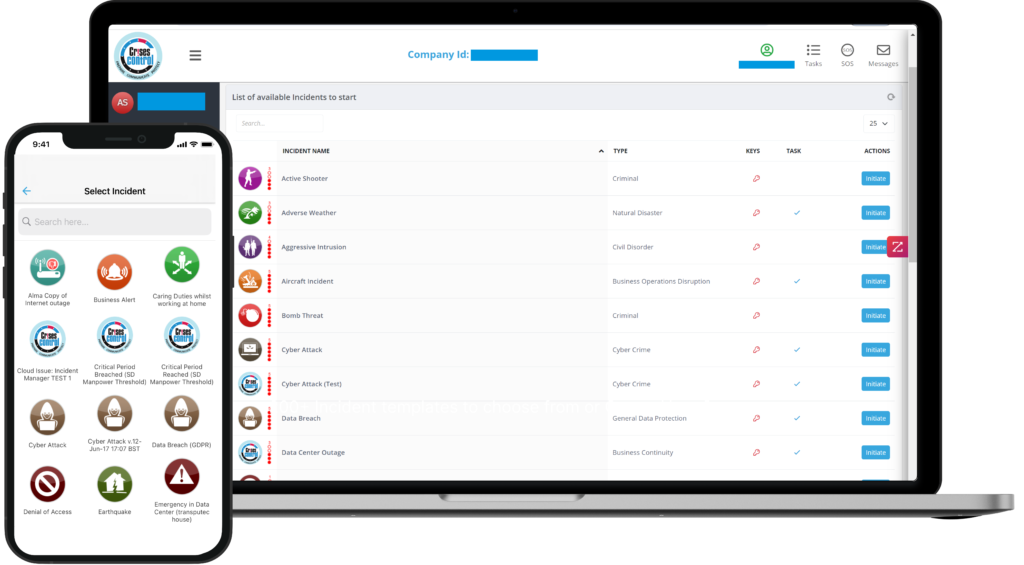
Interested in our Incident Management Software?
Flexible Incident Management Software to keep you connected and in control.
How Incident Coordination Software Improves Situational Awareness
Incident Coordination Software helps organisations establish a shared operational picture during disruptions.
Rather than relying on disconnected systems and manual communication processes, teams can access real-time information through a centralised platform.
This creates a single source of truth that supports more effective incident management.
Centralising Incident Information
One of the biggest obstacles during delays is fragmented information.
Updates may be scattered across emails, phone calls, messaging applications, and various operational systems.
Incident Coordination Software consolidates critical information into a single environment where stakeholders can access the latest updates, response activities, and operational impacts.
This helps eliminate information gaps and improves overall visibility.
Providing Real-Time Updates
Situational awareness depends on timely information.
As incidents evolve, decision-makers need immediate visibility into changing conditions.
Incident Coordination Software provides real-time updates that allow teams to monitor developments as they occur. This helps organisations adapt their response strategies quickly and avoid unnecessary delays in decision-making.
Improving Communication Across Teams
Effective communication is essential during any disruption.
When information is delayed or inconsistent, teams may make decisions based on incomplete or outdated data.
Incident Coordination Software supports structured communication by ensuring stakeholders receive relevant updates and notifications throughout the incident lifecycle.
This helps maintain alignment across departments and reduces confusion.
Supporting Better Decision-Making
Accurate decisions depend on accurate information.
By providing visibility into incident status, operational impacts, resource availability, and response activities, Incident Coordination Software helps leadership teams make informed decisions more quickly.
This can significantly reduce the operational impact of delays and improve recovery outcomes.
The Role of Crisis Management Software
While Incident Coordination Software focuses on coordinating response activities, Crisis Management Software provides broader support for managing significant disruptions and organisational crises.
Together, these solutions help organisations:
- Improve communication and coordination
- Strengthen situational awareness
- Support incident response workflows
- Enhance accountability
- Accelerate operational recovery
- Improve resilience planning
By combining coordination and crisis management capabilities, organisations can respond more effectively to both everyday operational disruptions and larger-scale incidents.
Situational Awareness and Operational Resilience
Operational resilience is not simply about preventing disruptions.
It is about maintaining the ability to respond, adapt, and recover when disruptions occur.
Situational awareness sits at the centre of this capability.
Organisations that maintain visibility during delays can identify issues faster, allocate resources more effectively, communicate with stakeholders more clearly, and restore normal operations sooner.
Those that lack situational awareness often face longer recovery times, increased operational costs, and greater reputational impact.
As organisations become increasingly interconnected and dependent on digital systems, maintaining real-time visibility during disruptions is becoming a strategic necessity rather than an operational advantage.
How Crises Control Helps
Crises Control helps organisations improve situational awareness through powerful Incident Coordination Software and Crisis Management Software capabilities.
With Crises Control, organisations can:
- Centralise incident information
- Automate notifications and escalations
- Coordinate response activities in real time
- Improve communication across teams
- Track actions and accountability
- Maintain operational visibility throughout disruptions
By providing a single platform for communication, coordination, and incident management, Crises Control helps organisations respond faster and recover more effectively from operational delays.
Final Thoughts
Delays are inevitable. Losing visibility does not have to be.
Maintaining situational awareness during disruptions enables organisations to make better decisions, coordinate more effectively, and minimise operational impact.
Incident Coordination Software provides the structure, visibility, and communication capabilities needed to maintain a clear operational picture when delays occur.
As organisations continue to prioritise operational resilience, improving situational awareness will remain a critical component of successful incident response.
Book a free demo today and discover how Crises Control helps organisations improve situational awareness, strengthen operational resilience, and respond more effectively to delays and disruptions.
FAQs
1. What is Incident Coordination Software?
Incident Coordination Software is a platform that helps organisations manage communication, task coordination, decision-making, and response activities during operational disruptions and incidents.
2. Why is situational awareness important during delays?
Situational awareness allows teams to understand the current situation, assess impacts, track developments, and make informed decisions that help minimise disruption and accelerate recovery.
3. How does Incident Coordination Software improve situational awareness?
By providing a centralised platform for communication, updates, task tracking, and incident information, Incident Coordination Software helps teams maintain a shared operational picture in real time.
4. What industries benefit from Incident Coordination Software?
Industries including aviation, transportation, finance, healthcare, utilities, manufacturing, and critical infrastructure can benefit from improved incident coordination and situational awareness.
5. How does Crisis Management Software support operational resilience?
Crisis Management Software helps organisations respond faster, coordinate more effectively, maintain visibility, and recover from disruptions while reducing operational impact.