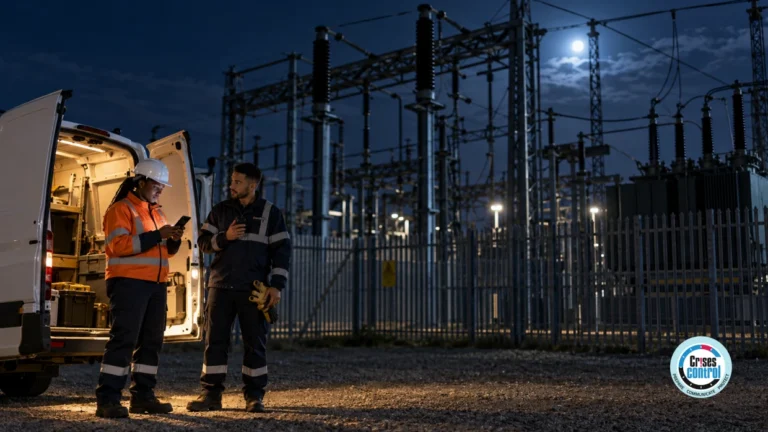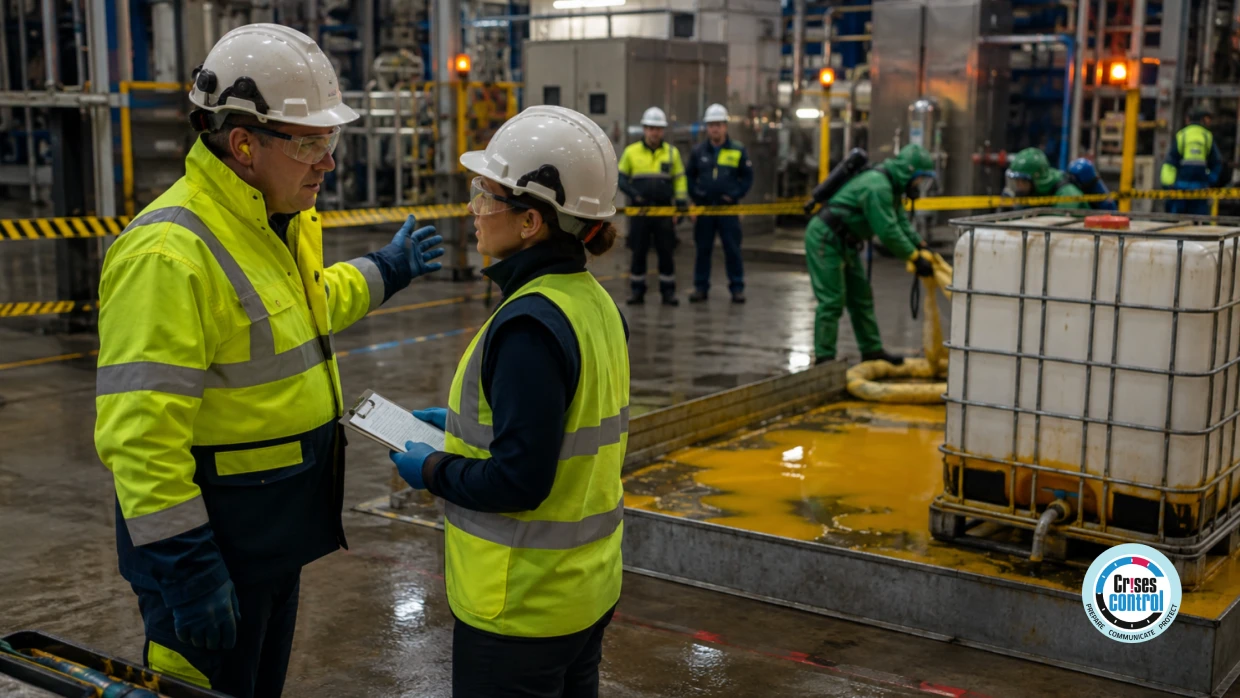
A forklift reverses through a manufacturing facility before clipping the corner of an intermediate bulk container holding a hazardous chemical.
Within seconds, liquid begins spreading across the production floor. Nearby operators activate the emergency stop and move away from the spill while one employee raises the alarm and another checks whether anyone has been exposed. The shift supervisor is immediately faced with several critical decisions.
How hazardous is the substance? Does the affected area need to be evacuated? Should production stop across the entire facility or only within the immediate zone? Who needs to be informed first?
While maintenance prepares to isolate the damaged container, the Environmental, Health and Safety (EHS) team begins assessing the risk. Operations evaluates the impact on production, while leadership needs an accurate picture of the situation before making wider business decisions.
The spill may have started in one corner of the plant, but its operational impact quickly reaches every part of the organisation.
This is the challenge many manufacturers underestimate. Containing the chemical is only one part of the response. Coordinating people, communication and decision-making while protecting employees, maintaining business continuity and meeting regulatory obligations is often far more complex.
This is where Incident Management Software provides real operational value. During a hazardous materials incident, organisations must coordinate multiple teams at the same time, communicate accurate information, assign responsibilities, record key decisions and maintain visibility across the response. Emergency Notification Software, structured task management and operational awareness help ensure every team is working from the same verified information rather than reacting independently.
For manufacturing organisations, the first 30 minutes after a chemical spill often determine whether the incident is safely contained or develops into a much larger operational disruption. The quality of coordination can have just as much influence on the outcome as the effectiveness of the physical containment itself.
What Is Chemical Spill Incident Management?
Chemical spill incident management is the structured process of coordinating people, communication and operational activities following the accidental release of hazardous substances. It combines emergency communication, task coordination, incident reporting and operational visibility to help organisations manage the response safely and efficiently.
While emergency procedures often focus on containing the spill itself, effective incident management extends much further. It ensures the right people receive the right information at the right time, critical decisions are made using verified information, responsibilities are clearly assigned and every significant action is documented throughout the incident.
This is where Incident Management Software supports manufacturing organisations. Rather than relying on disconnected phone calls, radios and paper-based procedures, it provides a coordinated framework that helps teams communicate effectively, track response activities and maintain a shared operational picture from the initial alert through to recovery.
The objective is not only to contain the hazardous material safely. It is to protect employees, minimise operational disruption, support regulatory compliance and restore normal operations in a structured and controlled manner.
For organisations reviewing their broader emergency preparedness, our guide to Manufacturing Incident Management Software explores how coordinated response improves operational resilience across a range of manufacturing incidents.
Why The First 30 Minutes Matter Most
Chemical spills develop quickly. What begins as a relatively small release can become a much larger incident if people receive conflicting instructions, hazards are not communicated clearly or responsibilities are misunderstood.
During the first few minutes, several critical activities often need to happen at the same time. The spill must be assessed, employees may need to evacuate or shelter in place, specialist response teams must be mobilised, ventilation systems or production equipment may need to be isolated, and emergency services may require accurate information before arriving on site. At the same time, leadership needs reliable updates to understand the operational impact while maintaining business continuity across the wider facility.
None of these activities can happen effectively if departments work in isolation. The organisations that manage chemical spills most effectively recognise that containment is only one part of the response. The real challenge is coordinating people, information and decisions quickly enough to keep everyone working towards the same outcome.
For additional guidance on preventing and preparing for chemical accidents, the OECD Guiding Principles For Chemical Accident Prevention, Preparedness And Response provide internationally recognised good practice for organisations handling hazardous substances.
The Common Assumption That Puts People At Risk
One of the most common assumptions in manufacturing is that once the alarm has been raised, the emergency response is underway.
In reality, raising the alarm is only the beginning.
A chemical spill creates several incidents at the same time. One team is focused on containing the hazardous substance while another is protecting employees. Operations is assessing the impact on production, leadership needs reliable information to make business continuity decisions, and if the spill has the potential to affect the surrounding environment or neighbouring facilities, additional communication and regulatory processes may also need to begin immediately.
Effective emergency planning for hazardous chemical incidents relies on coordinated communication, clearly defined responsibilities and structured decision-making, not simply the activation of an alarm. Industry guidance, including the OECD Guiding Principles for Chemical Accident Prevention, Preparedness and Response, reinforces the importance of planning for coordination alongside containment.
The assumption that a spill response is primarily about containment often creates unnecessary operational risk.
Successful hazardous materials incident response depends just as much on coordination as it does on technical expertise.
Where Communication Often Breaks Down
During the first 30 minutes, information begins arriving from every direction. Operators report what they have seen, maintenance confirms the condition of the damaged equipment, the EHS Manager assesses the characteristics of the chemical involved, security controls access to the affected area, and operations evaluates which production lines can continue running safely. At the same time, senior leadership wants to understand whether production will be disrupted, whether customers will be affected and whether external agencies need to be informed.
Each update is important.
The challenge is ensuring every team is working from the same verified information rather than relying on separate conversations or individual observations.
Many manufacturing organisations still depend on phone calls, two-way radios, emails and messaging applications to coordinate these conversations. While these methods may be sufficient for routine operational issues, they become increasingly difficult to manage during a hazardous materials incident where priorities change quickly and several teams are responding at the same time.
Without a single source of operational truth, common problems quickly emerge:
- Different departments receive different information.
- Critical updates are delayed or repeated.
- Response activities are duplicated or overlooked.
- Leadership spends valuable time requesting status updates instead of directing the response.
- Important decisions become difficult to document for later review.
These communication gaps do not necessarily make the spill larger.
They make the response slower, less coordinated and more difficult to manage while increasing operational risk.
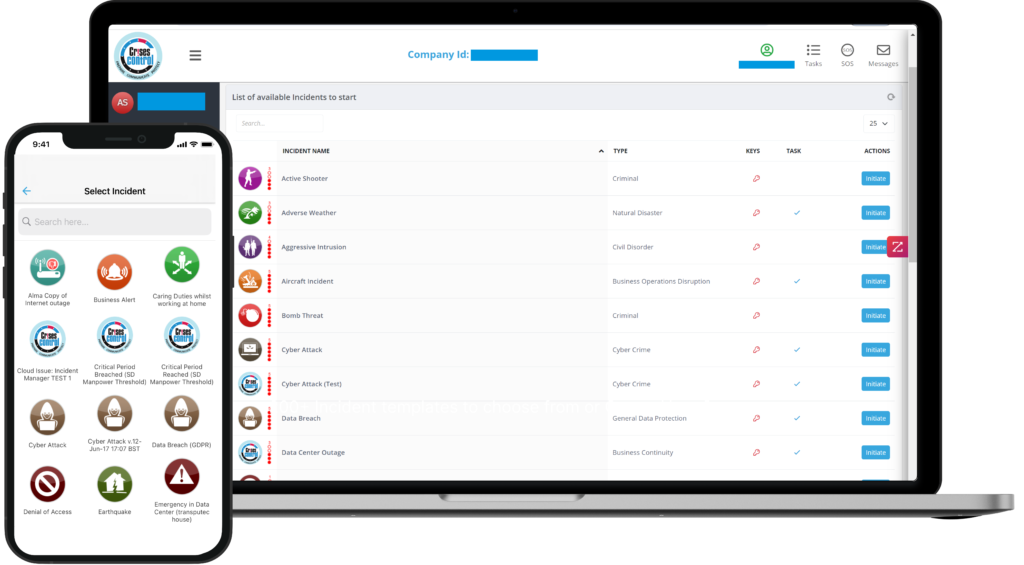
Interested in our Incident Management Software?
Flexible Incident Management Software to keep you connected and in control.
Manual Coordination Creates Operational Risk
Every chemical spill follows its own sequence of events, but the communication challenges are often remarkably similar.
Someone contacts the EHS Manager while another employee calls maintenance. Operations begins informing supervisors, leadership starts requesting updates and responders continue working to contain the spill safely. Individually, these conversations appear manageable. Together, they create dozens of separate information streams that must somehow be combined into one accurate understanding of the incident.
This is where manual coordination begins to struggle.
Important updates can be missed, responsibilities become unclear and different departments begin making decisions based on different information. Guidance from the Government of British Columbia’s Emergency Response Planning Framework highlights the importance of clear authority, timely notification and coordinated decision-making during hazardous materials incidents.
The challenge is not communicating more often. It is making sure everyone has access to the same verified information, understands their responsibilities and works towards the same objective.
Organisations looking to strengthen this level of coordination should also review how their wider Business Continuity Software and incident management processes support operational resilience before, during and after an emergency.
What A Coordinated Chemical Spill Response Looks Like
An effective response begins long before specialist spill responders arrive.
The first priority is establishing control.
Leadership needs to understand what has happened, where the spill is located, whether anyone has been exposed, which areas have been isolated and what actions are already underway. At the same time, response teams need clear responsibilities, accurate information and confidence that critical decisions are being communicated consistently across the facility.
An effective response is not about everyone doing more. It is about everyone doing the right thing at the right time.
A coordinated chemical spill response typically includes:
- Immediate incident activation.
- Rapid notification of EHS, operations, maintenance and leadership teams.
- Clearly defined roles and responsibilities.
- Evacuation or shelter-in-place instructions where required.
- Task assignment for containment, isolation and site safety.
- Ongoing operational updates as the situation develops.
- Documentation of key decisions and response activities.
- Continuous assessment until the incident has been safely resolved.
This structured approach helps organisations protect employees, reduce confusion and maintain operational control while managing a hazardous materials incident. More importantly, it allows leadership to focus on making informed decisions instead of trying to piece together information from multiple departments.
Containing the spill is only one part of the response.
The wider objective is to coordinate every decision that follows so people remain safe, regulatory obligations are met and normal operations can resume as quickly and safely as conditions allow.
How Incident Management Software Supports Chemical Spill Response
This is where Incident Management Software supports organisations beyond simply sending an emergency alert.
During a hazardous materials incident, communication, decision-making, task management and incident reporting all happen simultaneously. Managing these activities through separate phone calls, paper checklists and messaging applications increases the likelihood of delays, duplicated effort and inconsistent information.
An integrated incident management platform brings these activities together into one structured response.
When a chemical spill is identified, authorised personnel can activate the incident immediately and notify the appropriate response teams according to their predefined roles. Rather than relying on individuals to remember who should be contacted next, the response follows an established workflow that ensures critical actions begin without unnecessary delay.
As the incident develops, leadership gains visibility into:
- Which response teams have acknowledged the incident.
- Whether evacuation or shelter-in-place procedures have been completed.
- The progress of containment activities.
- Outstanding safety risks.
- Tasks assigned to individual teams.
- The operational impact across the wider facility.
- Decisions and actions recorded throughout the response.
This shared operational picture enables the EHS Manager, Plant Manager, Operations Director, maintenance teams and senior leadership to make decisions using the same verified information instead of relying on fragmented updates from multiple sources.
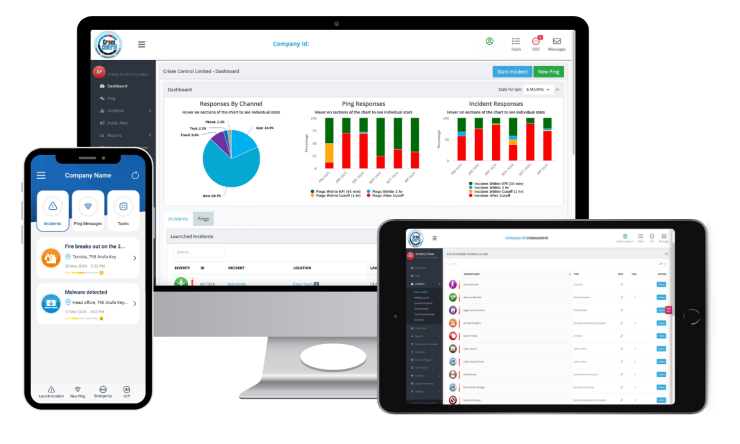
Solutions such as Crises Control support this approach by helping manufacturers digitalise their emergency response procedures while complementing existing manufacturing emergency response plans. Features such as Emergency Notification Software, role-based incident activation, task management, acknowledgement tracking, operational dashboards, incident reporting and post-incident documentation help organisations coordinate hazardous materials incidents from the initial alert through to recovery and regulatory reporting.
Organisations looking to strengthen both incident response and long-term resilience can also benefit from integrating these processes with their wider Business Continuity Software strategy.
Technology cannot contain a chemical spill.
It gives the people managing the incident the visibility, structure and coordination needed to protect employees, reduce operational disruption and make better decisions under pressure.
Better Chemical Spill Response Begins Before The Spill Happens
Every manufacturing facility that handles hazardous substances invests in preventive measures. Risk assessments, employee training, equipment inspections and chemical handling procedures all reduce the likelihood of an incident occurring, but no organisation can eliminate risk completely.
The question is not whether a chemical spill could happen. It is whether the organisation can coordinate its response effectively when it does.
The first 30 minutes are rarely defined by the volume of the spill alone. They are defined by how quickly the right people receive accurate information, understand their responsibilities and work together using the same operational picture.
Manufacturers that respond effectively do not simply contain hazardous materials faster. They coordinate people, communication and operational decisions more effectively. That level of coordination protects employees, limits disruption to production, supports regulatory compliance and strengthens long-term operational resilience.
If your organisation is reviewing its manufacturing emergency response plan, ask one important question:
Would every team know exactly what to do during the first 30 minutes after a hazardous chemical spill?
The answer often reveals opportunities to strengthen emergency preparedness long before the next incident occurs.
Solutions such as Crises Control help manufacturers move from reactive emergency response to coordinated operational resilience through structured incident activation, role-based communication, operational visibility, task management, incident reporting and business continuity support.
FAQs
1. What Is Incident Management Software For Chemical Spill Response?
Manufacturing Incident Management Software is a platform that helps manufacturers coordinate operational incidents that disrupt production, including equipment failures, fires, chemical spills and utility outages. It brings together incident reporting, communication, task management and operational visibility so every department can respond using the same verified information. This improves decision-making, reduces production downtime and supports a faster return to normal operations.
2. How Can Manufacturers Improve Their Chemical Spill Response?
Manufacturers can improve their chemical spill response by preparing long before an incident occurs. This includes defining response roles, regularly exercising their manufacturing emergency response plan, ensuring employees understand their responsibilities and giving leadership a clear operational picture during an incident. Coordinated communication and structured decision-making help protect employees, reduce disruption and restore operations more efficiently.
3. Why Is Emergency Notification Software Important During A Hazardous Materials Incident?
Emergency Notification Software allows organisations to notify the right people immediately when a chemical spill occurs. Instead of relying on manual phone calls or contact lists, automated alerts ensure employees, emergency response teams and leadership receive accurate instructions quickly. When combined with Incident Management Software, organisations can also monitor acknowledgements, coordinate response activities and keep everyone working from the same verified information.
4. What Should A Manufacturing Emergency Response Plan Include?
A manufacturing emergency response plan should explain how the organisation will detect, report and manage incidents involving hazardous materials. It should include notification procedures, evacuation and shelter-in-place guidance, clearly defined responsibilities, communication protocols, spill containment procedures, regulatory reporting requirements and post-incident review processes. Regular exercises help confirm that these procedures remain practical and effective under operational pressure.
5. How Does Chemical Spill Response Software Support Regulatory Compliance?
Chemical spill response software supports regulatory compliance by creating a clear record of what happened during an incident. It documents communications, assigned tasks, response timelines and key decisions, providing an auditable history that supports internal investigations, regulatory reporting and continual improvement. Accurate documentation also helps organisations demonstrate that emergency procedures were followed appropriately.
6. How Often Should Chemical Spill Response Procedures Be Tested?
Chemical spill response procedures should be reviewed and exercised regularly, particularly after operational changes, the introduction of new hazardous substances, updates to manufacturing processes or real incidents. Regular exercises help confirm that communication, responsibilities and emergency procedures remain effective while supporting continual improvement, stronger business continuity and greater operational resilience. The aim is not simply to test the plan, but to identify opportunities to improve it before a real emergency occurs.
This article was drafted with AI assistance and reviewed by the Crises Control team. Featured image: AI-generated.