Written by Anneri Fourie | Crises Control Executive
Running a business that spans multiple countries is challenging. Unexpected events such as political unrest, natural disasters, cyber incidents, or supply chain disruptions can stop operations and put employees at risk. For multinational organisations, traditional planning methods are often not enough. Paper plans or simple spreadsheets are hard to update, difficult to access remotely, and do not support real-time communication.
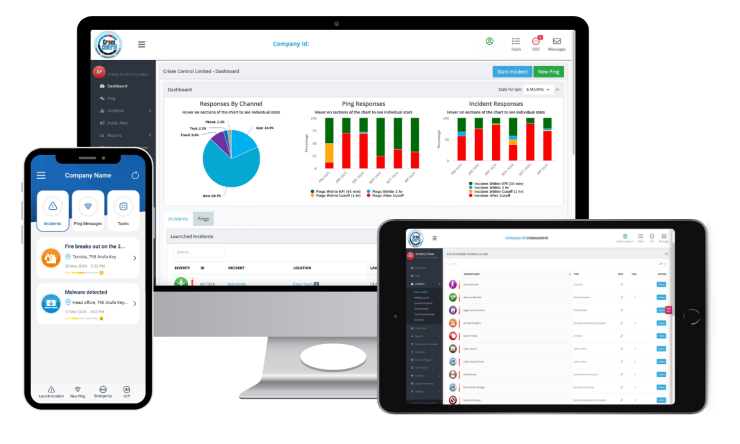
Business continuity software offers a solution. It provides a cloud-based platform where organisations can store continuity plans, automate alerts, and manage crises in real-time. It connects teams, ensures employees stay safe, and keeps operations moving even when circumstances are unpredictable.
Understanding Business Continuity in International Operations
Business continuity means making sure an organisation can keep delivering products or services when something goes wrong. For companies operating across borders, this is complicated. Teams are in different time zones, regulations differ from one country to another, and communication must reach employees in multiple languages.
Mistakes or delays in these situations can cause financial loss, reputational damage, and even put staff in danger. Cloud-based business continuity software simplifies this by centralising plans and procedures in a single platform. Staff can access the latest instructions from anywhere, making it easier to respond quickly and accurately.
Organisations can set up automated workflows that guide teams through each step during a crisis. For example, if a warehouse faces a flood, the system can automatically alert the operations team, update managers, and provide instructions to employees on safety procedures. This ensures nothing is overlooked, even when teams are spread across multiple locations.
Keeping Employees Safe with Mass Notification Software
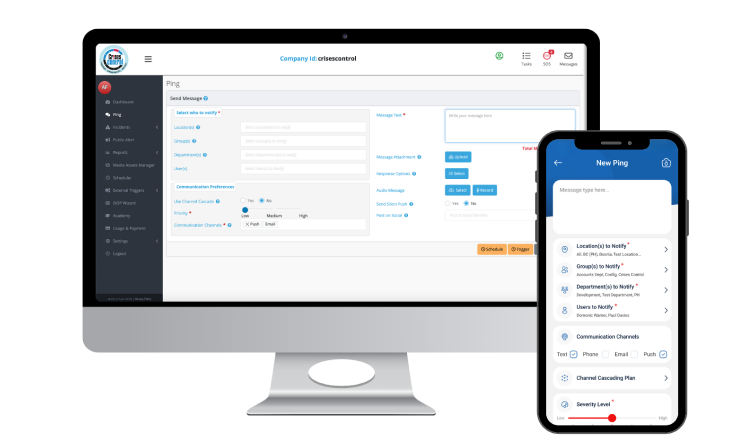
When an emergency occurs, alerting employees quickly and effectively is crucial. Mass notification software allows organisations to send messages to staff through mobile apps, SMS, email, or collaboration tools like Microsoft Teams. Two-way communication means employees can confirm their safety and report incidents.
For international operations, reaching every employee is a challenge. Differences in time zones and languages can delay or confuse communication. Mass notification software ensures messages are sent and received promptly, no matter where employees are located. Crises Control’s mass notification software helps organisations deliver critical information, confirm staff safety, and reduce the risk of miscommunication during events like political unrest, severe weather, or health emergencies.
Interested in our Ping Mass Notification Software?
Efficiently alert everyone in seconds at scale with our Mass Notification Software.
Coordinating Responses with an Incident Management Platform
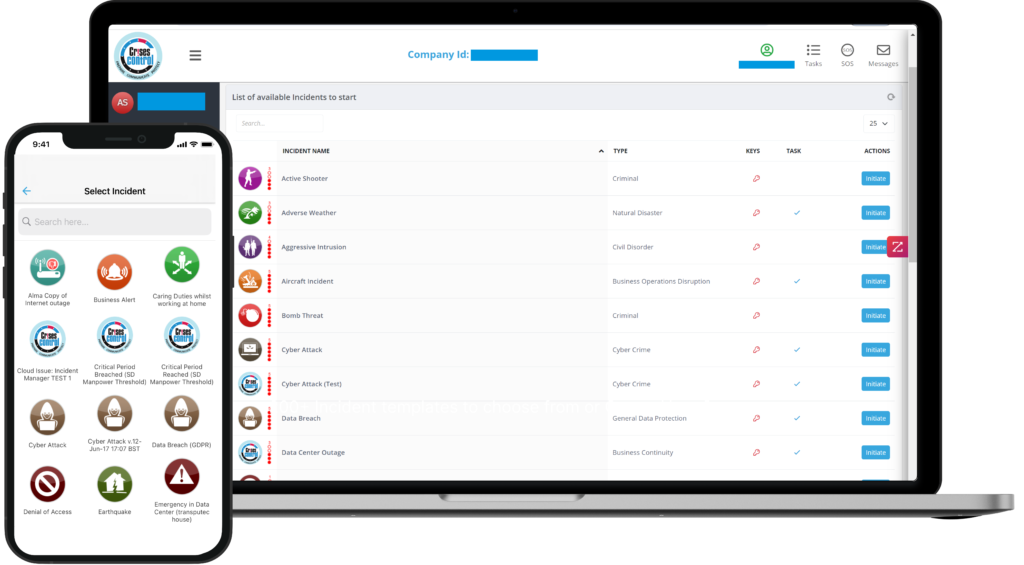
Responding to a crisis requires coordination. An incident management platform brings all the information together in one place. Managers can see what is happening in each location, assign tasks, and track progress. Automated workflows make sure every step is completed correctly, reducing mistakes and delays.
International organisations often face risks that vary by region. An incident in one country might require different procedures than in another. Crises Control’s incident management platform provides visibility across regions, so responses are tailored to local conditions while following a consistent framework. From the first alert to the resolution, teams can stay organised and ensure operations continue without unnecessary disruption.
Cloud-Based Crisis Management for Global Teams
Cloud-based crisis management platforms allow staff to access plans, procedures, and alerts from anywhere, on any device. This is essential for businesses where teams are spread across multiple sites or countries. Physical presence is no longer required to take action during a crisis.
Cloud-based solutions also offer automation. If a supplier in a specific region is affected by a disruption, the system can alert the relevant teams automatically and provide step-by-step guidance on how to respond. Automation speeds up recovery and helps minimise the impact on operations. Crises Control’s platform allows organisations to manage incidents, communicate with employees, and maintain business continuity from a central, secure cloud environment.
Navigating Regulations Across Countries
Operating internationally means dealing with different rules and standards. Organisations must comply with regulations such as GDPR in Europe, OSHA in the United States, or local occupational health and safety laws in the Middle East. Keeping track of these requirements manually can be overwhelming.
Business continuity software provides tools to simplify compliance. Audit trails, secure cloud storage, and detailed reporting make it easy to demonstrate adherence to laws and internal procedures. Crises Control helps organisations generate accurate reports for regulators, saving time and reducing administrative pressure. This ensures compliance without adding unnecessary complexity to everyday operations.
Interested in our Incident Management Software?
Customise your Crisis Incident Management Software to meet your specific needs with our flexible tools & stay connected and informed during the crisis and incident management process
Sending Relevant Information Without Overload
Sending every update to all employees can create confusion. Too much information can distract teams and slow responses. Business continuity software allows targeted messaging, sending only the relevant alerts to the right people. Messages can be filtered by location, role, or department, so each employee receives information they need.
Crises Control’s AI emergency assistant, CRAiG, prioritises alerts, identifies what information is critical, and recommends who should receive messages. This approach avoids alert fatigue and helps employees focus on tasks that matter most in the moment. By sending precise information to the right people, organisations can manage crises more efficiently.
Testing Plans with Simulations
A plan is only useful if it works when needed. Running simulations allows organisations to test fire drills, cyber incident responses, evacuations, or supply chain disruptions. These exercises reveal weaknesses and provide insight into how procedures can be improved.
Cloud-based business continuity software records responses and tracks results, making simulations more effective. Crises Control supports multi-scenario testing, giving international organisations confidence that their plans will work in real situations. Teams can learn from exercises, refine workflows, and ensure they are ready for unexpected events.
How Integrated Communication Solutions Help Multi-Site Organisations
Global organisations require systems that connect multiple locations seamlessly. Combining mass notification software, incident management platforms, and cloud-based continuity tools into a single solution creates an integrated communication network.
The benefits of an integrated approach include:
- Centralised control of alerts and workflows
- Faster response times through automated actions
- Reduced operational risk during crises affecting multiple sites
- Improved reporting for managers and regulators
- Enhanced confidence and safety for employees
Crises Control’s platform unites these capabilities, helping organisations respond quickly, maintain continuity, and keep teams informed no matter where they are.
Adapting to Future Challenges
International operations are becoming more complex. Relying on manual processes or disconnected tools is no longer practical. Digital continuity solutions give organisations an advantage by reducing downtime, protecting staff, and maintaining stakeholder confidence.
AI-powered features, real-time alerts, and automated workflows allow organisations to adapt to new risks quickly. Crises Control provides tools that not only manage current incidents but also help predict potential disruptions, ensuring operations remain resilient.
Starting with Crises Control
Investing in business continuity software is a strategic decision for organisations operating across borders. Crises Control offers a complete platform that combines mass notification, incident management, and cloud-based crisis management in one accessible system.
Organisations can improve employee safety, streamline responses, and maintain compliance with local regulations. To explore how your teams can stay informed and operations can continue without disruption, contact us to get a free personalised demo and see Crises Control in action.
Request a FREE Demo