Written by Anneri Fourie | Crises Control Executive
The Real Problem Hospitals Face After An Incident
A patient deteriorates unexpectedly on a surgical ward in the early hours of the morning. The clinical team responds quickly. A Code Blue is called. Staff arrive within minutes and stabilise the patient before transferring them to intensive care.
From a clinical perspective, the team has done everything right.
By mid morning, another kind of pressure begins to build. Senior leaders want a clear timeline. Risk teams need to understand how escalation unfolded. Governance teams ask who was notified and when. Documentation requests start arriving.
The challenge is not the care provided. The challenge is proving how the response happened.
Many organisations discover at this point that their systems were built to respond to emergencies, not to evidence them. Reconstructing events from memory, call logs, and fragmented notes becomes time consuming and stressful.
The solution is a structured way to capture information as incidents unfold so organisations can demonstrate accountability without relying on reconstruction.
What Incident Management Software Means In Healthcare
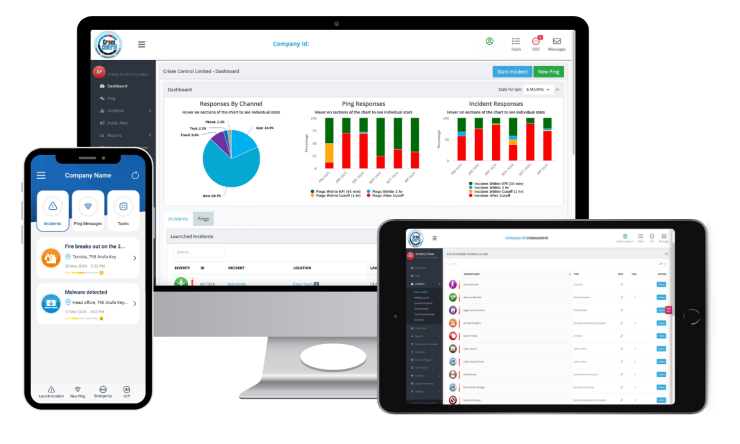
Incident management software is a digital platform that helps organisations coordinate incidents, communicate with teams, assign responsibilities, and create a clear record of actions and decisions as events unfold.
In healthcare, this provides a single view of escalation, communication, and response activity so organisations can understand what happened and demonstrate that procedures were followed.
The Pressure That Follows A Patient Safety Incident
Medical emergencies place staff under intense pressure in the moment. Once the immediate situation is under control, a second phase begins that focuses on understanding the response.
Hospitals often face questions such as:
- How quickly was the incident recognised
- When were response teams alerted
- Who took ownership of key actions
- Were communication protocols followed
- Did escalation happen at the right time
Even when clinical care is strong, gaps in documentation can create uncertainty and expose organisations to scrutiny.
Why Communication Becomes Difficult To Track
During emergencies, communication happens across multiple channels at once. Teams speak face to face, make phone calls, send messages, and respond to alerts.
These methods help teams act quickly but they rarely create a complete record. Common challenges include:
- No single log of communication activity
- Difficulty confirming who received notifications
- Lack of clarity around task ownership
- Gaps in escalation timelines
- Different departments keeping separate records
This makes it difficult to build a clear picture after the event.
Where Traditional Methods Fall Short
Many organisations still rely on manual processes to understand incidents after they occur. Staff are asked to recall events. Call records are reviewed. Notes are compared.
This approach takes time and introduces risk. Memory is not always reliable, especially after stressful situations. Small gaps can raise questions even when the response was appropriate.
Manual reporting also delays learning and increases administrative workload.
A Structured Approach To Capturing Events In Real Time
A more effective approach is to document actions as they happen rather than rebuilding them later. Using incident management software for healthcare, organisations can capture:
- When alerts were triggered
- Who acknowledged notifications
- Which teams responded
- Tasks assigned and completed
- Communication updates
- Escalation decisions
This creates a live timeline that can be reviewed immediately after the incident.
How A Healthcare Incident Reporting System Improves Visibility
A healthcare incident reporting system connects communication and coordination into one environment so teams can see progress as events unfold.
Key benefits include:
- Clear Communication Records: Messages and alerts are logged automatically, creating a reliable record of who was informed and when.
- Defined Responsibilities: Role based workflows assign tasks so ownership is clear from the start.
- Real Time Oversight: Leaders can monitor the situation while it is happening rather than waiting for updates.
- Faster Reporting: Incident summaries can be produced without manual reconstruction.
These capabilities help organisations move from fragmented documentation to consistent records.
Why Documentation Challenges Exist In The First Place
Healthcare systems have grown around clinical processes rather than digital coordination. Escalation often relies on human communication patterns that were developed long before digital tools were available.
At the same time, expectations around governance have increased. Organisations must now demonstrate not only what actions were taken but how decisions were made and communicated.
This creates a gap between operational reality and reporting expectations.
Common Mistakes That Increase Risk
Even experienced organisations can struggle with documentation if processes are not structured. Common issues include:
- Treating reporting as a task that happens after the incident
- Sending alerts without assigning ownership
- Using multiple tools that do not connect
- Assuming training exercises reflect real response behaviour
- Focusing on clinical outcomes without reviewing coordination
These issues often only become visible during reviews.
Challenging The Idea That Good Clinical Care Is Enough
There is a belief that strong clinical performance demonstrates readiness. While clinical care is central, governance reviews look at how communication and coordination were managed.
Organisations need evidence that procedures were followed. Without clear records, even well managed incidents can raise questions.
Manual Versus Digital Documentation
| Manual Approach | Digital Approach |
| Relies on recollection and separate records | Automatic capture of actions and communication |
| Requires time to compile reports | Clear ownership of tasks |
| Limited visibility during incidents | Live visibility into response progress |
| Difficult to confirm timelines | Immediate access to timelines |
| Increased administrative workload | Consistent reporting |
Digital coordination reduces uncertainty and supports learning.
How Incident Management Platforms Help Hospitals Prove Compliance
Organisations must be able to demonstrate that procedures are followed consistently. Digital platforms support this by providing:
- A clear record of escalation and response
- Evidence that alerts were received
- Documentation of decisions
- Visibility of task completion
- Centralised reporting
This helps organisations respond to internal reviews and external scrutiny with confidence.
Interested in our Incident Management Software?
Flexible Incident Management Software to keep you connected and in control.
Signs Your Organisation May Struggle To Demonstrate Compliance
Leaders reviewing their approach should consider whether:
- Communication records are spread across systems
- Response timelines rely on staff recollection
- Ownership of tasks is not clear during incidents
- Reporting takes days to compile
- Exercises do not reflect real workflows
If these challenges exist, strengthening coordination processes can reduce risk.
Practical Steps To Improve Audit Readiness
Organisations can strengthen their approach through clear processes and supportive technology.
- Define Escalation Triggers: Ensure staff understand when to activate incident procedures without hesitation.
- Assign Responsibilities Automatically: Use workflows that allocate tasks based on roles.
- Capture Information As Events Happen: Avoid relying on post incident reconstruction.
- Align Exercises With Real Processes: Training should reflect the tools used during live events.
- Centralise Communication: Using a single platform helps reduce fragmentation.
Supporting Resilience Through Digital Coordination
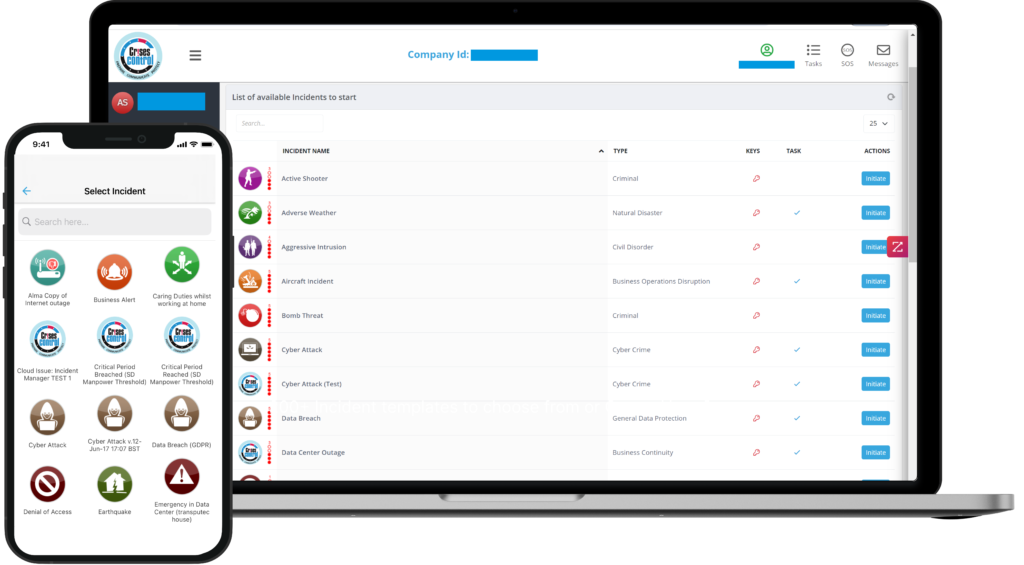
Platforms such as Crises Control show how structured digital tools can support response coordination. By digitalising plans, enabling role based workflows, and providing reliable communication channels, organisations can maintain visibility during incidents and create clear records.
Cloud access allows teams to stay informed even if local systems are disrupted, while structured reporting supports governance reviews.
The focus is on supporting teams with clear coordination rather than replacing professional judgement.
Governance And Executive Oversight
Senior leaders are responsible for ensuring the organisation can demonstrate accountability. This includes confidence that escalation procedures are followed and communication is documented.
Strong documentation supports transparency, learning, and trust. It also provides assurance that the organisation can respond effectively when incidents occur.
Why Structured Documentation Strengthens Organisational Confidence
When organisations can clearly show how incidents were managed, they reduce uncertainty for staff, leadership, and regulators. Clear records support learning and help organisations refine processes over time.
Structured coordination creates confidence that incidents can be managed consistently.
Key Takeaways For Healthcare Leaders
Healthcare leaders are under increasing pressure to show not only that teams respond effectively, but that response can be clearly demonstrated. The ability to produce accurate timelines, show how decisions were made, and confirm that communication reached the right people is now a core part of organisational accountability.
Organisations that rely on manual reconstruction often find themselves exposed to uncertainty, delays, and unnecessary stress during reviews. A structured approach that captures actions as they happen provides clarity, reduces administrative effort, and strengthens confidence across clinical, operational, and governance teams.
Incident management software gives hospitals a practical way to document response in real time, improve visibility, and support consistent governance without adding complexity to frontline teams.
If you are reviewing how your organisation manages documentation, coordination, and oversight after incidents, it may be time to explore a more structured approach.
Request a FREE Demo