Written by Alma Davidson | Crises Control Intern
Manufacturing operations are complex by design. Heavy machinery, intricate workflows, tight compliance requirements and multiple shifts create an environment where even small disruptions can ripple through production lines and impact quality, safety and delivery targets. For operations leaders, safety professionals and resilience managers, understanding how to use incident data to improve manufacturing operations is a practical necessity rather than an academic idea. Incident management software gives organisations the structure needed to capture, analyse and respond to incident data in ways that drive sustained improvement without reverting to blame-based reviews.
What Is Incident Management Software?
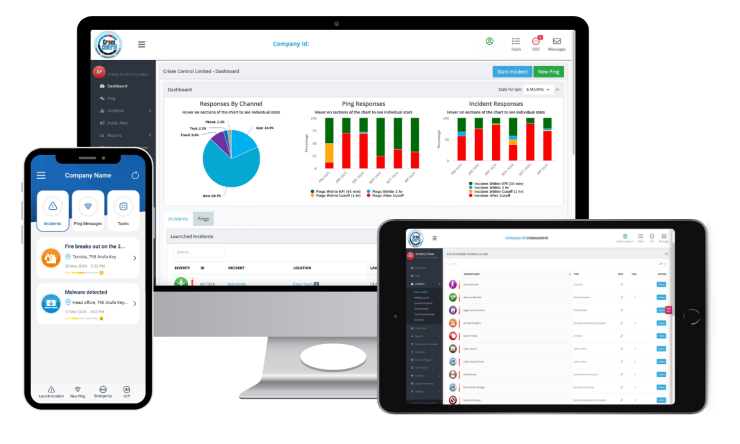
Incident management software is a platform that helps manufacturing teams capture information about disruptions or safety events in real time, coordinate responses accurately and analyse patterns over time for continuous learning. It replaces fragmented spreadsheets, paper logs and untracked communication with a centralised source of truth for incidents ranging from near misses to equipment failures. Digital tools standardise reporting, automate notifications and support data-driven decisions that improve operational resilience and workforce safety.
Why Incident Data Matters in Manufacturing
Manufacturers face unique operational pressures. A minor machine malfunction can escalate quickly if not reported promptly. A near miss left undocumented may point to systemic issues worth correcting. A safety hazard ignored becomes a serious injury risk. These are not isolated concerns; they affect productivity, morale and compliance obligations. Incident data gives organisations visibility into problems that might otherwise stay hidden and recur quietly until they trigger costly consequences.
The true value of incident data lies in its ability to move teams away from anecdote and into evidence. Without structured reporting, organisations often discover trends only after they become problems with serious impact. Incident management software ensures that data is captured consistently in a way that supports accurate trend analysis, corrective actions and proactive risk mitigation.
Improving Safety and Reducing Operational Disruption
One of the clearest benefits of incident management software for manufacturing is its positive impact on safety culture and operational stability. By making it easier for workers to report incidents when they occur and equipping safety teams with structured data, organisations can respond faster and more precisely. Faster notifications and a predefined escalation framework mean safety hazards can be contained before they escalate. Over time, analysis of this data reveals areas where training, equipment maintenance or process changes will eliminate recurring issues.
Ensuring accurate recording of incidents also feeds directly into compliance. Many manufacturers must comply with occupational health and safety standards and may be audited regularly. Incident management platforms document what happened, who responded, and what corrective actions were taken, ensuring organisations can demonstrate compliance with internal policies and external regulations.
Reducing Downtime Through Real-Time Reporting
Unplanned downtime is a deep concern for operational leaders. When production lines stop unexpectedly, even brief interruptions can cost significant output and revenue. Incident management software for manufacturing supports real-time notifications so that the right people are informed the moment an incident occurs. This immediate awareness means maintenance or safety teams can begin response and containment without delay.
Real-time data enables organisations to diagnose the underlying causes of incidents more accurately. Rather than scrambling to piece together what happened after the fact, teams have structured incident details at their fingertips. This accelerates response times and improves decision-making. Over time, patterns emerge that help leaders prioritise preventive actions, such as additional training or machinery upgrades.
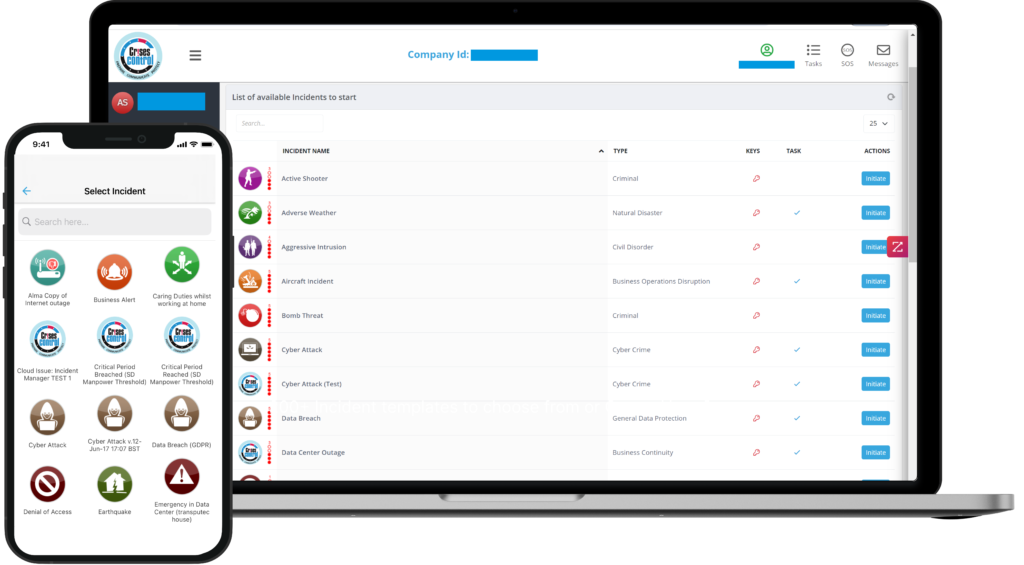
Interested in our Incident Management Software?
Flexible Incident Management Software to keep you connected and in control.
Mass Notification Software for Manufacturing Communication
Incident management software often integrates or complements mass notification software, which is critical for communicating essential information across complex factory environments. Manufacturing operations with noisy environments, multi-site locations and multiple shift patterns benefit when alerts can reach staff through multiple channels such as email, text and mobile alerts.
Mass notification software for manufacturing ensures that alerts about safety hazards, severe weather events or production line stoppages reach the right employees quickly and clearly. This capability removes delay and uncertainty from incident response and strengthens situational awareness across teams.
Using Incident Data to Drive Operational Learning
Data without insight is incomplete. Incident data becomes transformational when teams use it to identify common underlying causes of disruptions rather than simply recording events. Over time, incident records paint a picture of the systemic weaknesses that lead to risks. Cross-referencing multiple incidents can reveal that several “minor” events share common triggers, such as equipment wear patterns or procedural gaps.
Once such trends are spotted, organisations can prioritise changes that address root causes rather than symptoms. For example, scheduling proactive maintenance based on repeated minor failures reduces the likelihood of catastrophic downtime. This approach turns data into foresight and operational resilience rather than hindsight and surprise.
The benefits extend well beyond repair and response cycles. Detailed data allows leaders to protect workers through targeted training, focus investments where they will make the greatest impact and develop policies that improve both safety and productivity.
Avoiding Blame Culture and Fostering Engagement
A persistent challenge in incident reviews is cultural. In many manufacturing environments, reviewing incidents can devolve into fault-finding. When employees expect blame, they may hesitate to report incidents at all. This creates blind spots in data and weakens the organisation’s ability to learn. Incident management software helps shift away from blame culture by ensuring reporting is standardised and objective.
When the process emphasises accurate data capture and systematic review, employees can trust that reporting leads to constructive outcomes rather than punitive action. Over time, this encourages a culture of openness where workers at all levels contribute insights that make operations safer and more efficient.
Operational Insights That Support Continuous Improvement
Incident data does more than solve individual problems. It enables broader operational insights that improve planning and strategy. When leaders consistently analyse incident trends, they gain visibility into areas that may benefit from Lean or Six Sigma initiatives. These methodologies depend on reliable data to eliminate waste and optimise processes.
The structured data that incident management software captures supports these continuous improvement frameworks. Rather than guesswork or sporadic reporting, leaders have objective evidence to support decisions that align safety, quality and operational excellence.
Implementing Incident Management Software Successfully
Introducing incident management software into a manufacturing environment does not have to disrupt operations. Best-in-class systems are designed with intuitive user interfaces and mobile access, making it straightforward for personnel to report incidents from the shop floor. Clear workflows guide users through what information to capture and how it will be used.
Organisations should focus on clear communication about why the system is being introduced, how data will be used and how reporting contributes to safety and performance improvements. Leadership engagement reinforces that the system supports learning and operational improvement rather than administrative burden.
Conclusion
If your organisation is committed to using incident data to drive safer operations, stronger compliance and improved operational resilience, then incident management software is no longer a “nice to have”, it’s essential. In complex manufacturing environments where unplanned disruptions can quickly escalate into costly downtime, detailed, real-time incident capture and structured reporting help teams move beyond anecdote and guesswork into evidence-based improvement. By centralising alerts, task assignments and audit-ready incident records in one platform, you can shorten response times, reduce risk exposure and demonstrate compliance with regulatory standards more confidently.
Crises Control’s incident management software is purpose-built to support manufacturing teams through every stage of the incident lifecycle, from real-time reporting and multi-channel notifications to pattern analysis and corrective action tracking. With capabilities such as automated alerting, structured incident logs, compliance dashboards and integrated response workflows, Crises Control helps organisations act faster, learn more deeply and build a culture of continuous improvement rather than blame.
By investing in a solution that captures data when and where it happens, and by leveraging that data to inform decisions, manufacturing leaders can not only protect their people and assets, but also elevate overall operational performance.
Request a FREE Demo