Written by Anneri Fourie | Crises Control Executive
Running a food or beverage manufacturing facility involves more than keeping production moving. There are safety standards, regulatory requirements, and quality checks that cannot be overlooked. When an incident happens, such as a contamination event or equipment failure, it can disrupt production, damage brand reputation, and even put consumers at risk.
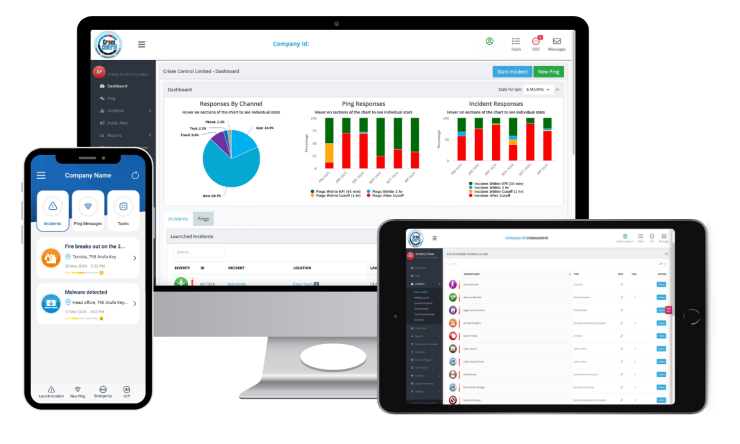
One of the biggest hurdles is communication during these incidents. Employees on the production floor, maintenance staff, and management all need clear, accurate instructions at the same time. Without a structured response, delays can increase the severity of the problem. Crises Control provides tools that combine mass notification software and incident management software to keep teams coordinated, informed, and compliant.
How Mass Notification Software Supports Food Safety Incidents
When a food safety incident occurs, reaching the right people quickly can prevent the problem from growing. Mass notification software allows alerts to be sent instantly across multiple channels, including mobile apps, SMS, email, voice, and Microsoft Teams. Staff at different locations can receive consistent information tailored to their role, ensuring that everyone knows what to do.
Automation is another advantage. Alerts can be triggered automatically based on predefined conditions. If contamination is detected, the system notifies the response team, supervisors, and regulatory contacts without delay. This reduces mistakes caused by manual processes and ensures that action starts immediately.
Integrating mass notification software with incident management software helps track how the situation is handled. The system records who was notified, who responded, and what actions were taken. This audit-ready reporting simplifies compliance and makes it easier to review responses after an incident.
Building an Effective Emergency Response Plan
A well-structured emergency response plan is essential for managing food safety incidents. It provides a roadmap for what to do, who should do it, and how actions are recorded. Key elements include:
- Scenario Planning: Identify common incidents such as contamination, product recalls, or machinery malfunctions. Map out the steps required to respond in each case.
- Role-Based Assignments: Allocate responsibilities to specific team members. Clear roles reduce confusion when pressure is high.
- Communication Rules: Set protocols for how information is shared, including which channels are used for alerts.
- Regulatory Requirements: Ensure documentation and reporting meet GDPR, FDA FSMA, or local food safety laws.
Crises Control enables companies to simulate these scenarios. Teams can run exercises without interrupting operations and identify gaps in their plan before a real incident occurs. This practical testing ensures the plan works in practice, not just on paper.
AI Assistance During Emergencies
Food safety incidents can evolve quickly, and decisions often need to be made on the spot. An AI crisis assistant can analyse real-time data and guide response efforts. For instance, if a batch of product shows contamination, the AI can:
- Notify relevant teams immediately using mass notification channels.
- Suggest containment steps based on the type of contamination.
- Launch automated workflows in incident management software to document and escalate actions.
- Help prepare compliance reports for authorities according to GDPR or local regulations.
Using AI reduces human error and keeps responses consistent across multiple sites. Teams can focus on executing the plan rather than deciding what to do next under pressure.
Maintaining Compliance Across Regions
Food manufacturers face regulations in every region they operate. From the UK Food Safety Act to EU General Food Law, FDA FSMA in the US, and local regulations in the Middle East and Canada, failing to comply can have serious consequences.
GDPR compliant mass notification software ensures that personal data is protected while emergency alerts are sent. Crises Control records every action taken during an incident, providing audit-ready reports that demonstrate accountability.
Cloud-based systems allow companies to manage alerts centrally while adjusting notifications for site-specific requirements. This ensures compliance without slowing down communication or response.
Managing Multiple Sites Efficiently
Large manufacturers often operate across several locations, which can make consistent incident response a challenge. A coordinated approach involves:
- Central Dashboards: Monitor incidents across multiple sites in real time.
- Tailored Alerts: Send notifications based on location, role, and urgency.
- Automated Reporting: Create reports for individual sites or consolidate across the organisation.
This level of coordination prevents miscommunication and ensures that every site follows the same procedures.
Benefits of Integrating Communication and Incident Management
Combining mass notification and incident management software provides several advantages:
- Instant Communication: Alerts reach all relevant staff immediately.
- Automated Actions: Predefined workflows reduce the need for manual steps.
- Audit Trails: Detailed logs support compliance and post-incident analysis.
- Minimised Mistakes: Clear instructions and automated escalation reduce human error.
- Operational Continuity: Structured responses help maintain production, protect inventory, and uphold brand reputation.
This integration allows manufacturers to respond efficiently while keeping regulatory requirements in focus.
Preparing Teams with Simulation and Testing
Even the best software cannot replace well-trained staff. Simulation exercises and tabletop scenarios allow teams to practise responses in a safe environment. These exercises help:
- Build confidence in following emergency plans.
- Identify gaps in communication, task assignment, or decision-making.
- Improve workflows and response times for real incidents.
Crises Control supports these exercises by simulating incidents with realistic workflows, ensuring that staff are ready when a genuine emergency occurs.
Implementing Cloud-Based Mass Notification
Cloud-based mass notification software offers flexibility and reliability. Key benefits include:
- High Availability: Notifications continue even if local IT systems fail.
- Multi-Channel Alerts: Staff can be reached on mobile, email, voice, or collaboration platforms.
- Central Management: Control alerts, workflows, and reporting from one location.
- AI Integration: Use AI assistants to provide guidance and automate response steps.
These features help ensure that alerts reach the right people at the right time, regardless of the size or location of the operation.
How Crises Control Helps Food Manufacturers
Crises Control combines mass notification software, incident management software, AI crisis assistant, and compliance-ready workflows into a single platform. This enables manufacturers to:
- Communicate quickly and clearly with all staff during an incident.
- Execute emergency response plans that meet regulatory standards.
- Use AI guidance to support decision-making under pressure.
- Maintain detailed records for compliance and review.
By bringing these tools together, Crises Control helps companies manage incidents effectively, protect operations, and maintain consumer trust.
Taking the Next Step
Food safety incidents can have serious consequences if not managed correctly. A mass notification system integrated with incident management software, AI support, and compliance reporting allows teams to respond quickly, consistently, and confidently.
Contact us today to arrange a free demo and see how our solution can improve your emergency response plans, streamline communication, and protect your operations.
Request a FREE Demo