In pharmaceutical environments, an incident does not end when the immediate risk is contained. Whether it involves an adverse drug reaction, a manufacturing defect, a distribution issue, or a regulatory breach, the operational response may stop, but the regulatory and organisational responsibility continues.
This “after the crisis” phase is where many organisations are most exposed. Attention often shifts back to business-as-usual operations, while investigation, documentation, and compliance obligations continue in the background.
This is also where incident reporting software plays a critical role. While it is often associated with real-time reporting during an incident, its long-term value becomes most visible after the crisis has ended, when organisations must reconstruct events, prove compliance, and learn from what happened.
Without structured systems in place, critical information can be lost, delayed, or inconsistently recorded during this phase.
The Post-Crisis Phase Is a Regulatory Environment, Not a Recovery Period
Once the immediate incident response is complete, pharmaceutical companies enter a heavily regulated phase of review, documentation, and reporting.
This includes:
- Root cause investigations
- Regulatory submissions and updates
- Internal audits and quality reviews
- Corrective and preventive actions (CAPA)
- Cross-functional stakeholder reporting
At this stage, accuracy matters more than speed, but both are still important. Regulators expect complete transparency and traceability of every decision made during the incident lifecycle.
This is where incident reporting software ensures continuity. It connects the live incident response with the post-incident documentation process, ensuring no gap between what happened and what is officially recorded.
Why Many Organisations Struggle After the Incident Is Contained
The biggest challenge in the post-crisis phase is not lack of effort, but fragmentation of information.
After an incident, data is often spread across:
- Emails between quality teams
- Excel tracking sheets
- Manufacturing logs
- Safety reports
- Regulatory correspondence
- Supplier communications
This fragmentation creates inconsistencies in the final incident record.
Without a structured system, organisations may struggle to confidently answer questions such as:
- What decisions were made during escalation?
- When was the issue first identified?
- Which teams approved corrective actions?
- How quickly was the issue contained?
Incident reporting software reduces this risk by ensuring all incident activity is captured in a single, structured environment from the moment the event is reported through to final resolution.
How Pharmaceutical Companies Manage Incidents in the Post-Crisis Stage
Understanding how pharmaceutical companies manage incidents requires looking beyond initial response and into the structured lifecycle that follows.
After containment, pharmaceutical organisations typically focus on four key areas:
1. Investigation and Root Cause Analysis
Teams conduct detailed investigations to determine:
- What caused the incident
- Whether it was preventable
- If it indicates a systemic issue
At this stage, incident reporting software provides a complete timeline of events, helping investigators reconstruct the incident accurately.
2. Corrective and Preventive Actions (CAPA)
Once the root cause is identified, organisations implement corrective actions to resolve the issue and preventive actions to avoid recurrence.
These actions must be:
- Assigned clearly
- Tracked consistently
- Verified for completion
This is where structured workflows supported by incident reporting software ensure accountability across departments.
3. Regulatory Reporting and Compliance Validation
Pharmaceutical companies operate under strict regulatory oversight. Post-incident reporting often involves submissions to multiple authorities depending on geography and severity.
Incident compliance software ensures that:
- Reporting obligations are met on time
- Documentation is complete and auditable
- Regulatory requirements are consistently applied
Without this structure, organisations risk delayed reporting or incomplete submissions.
4. Internal Review and Organisational Learning
After compliance requirements are met, organisations focus on internal learning:
- What worked well during the response
- Where delays occurred
- How communication can improve
- Whether escalation pathways were effective
This phase transforms incident data into long-term operational improvement.
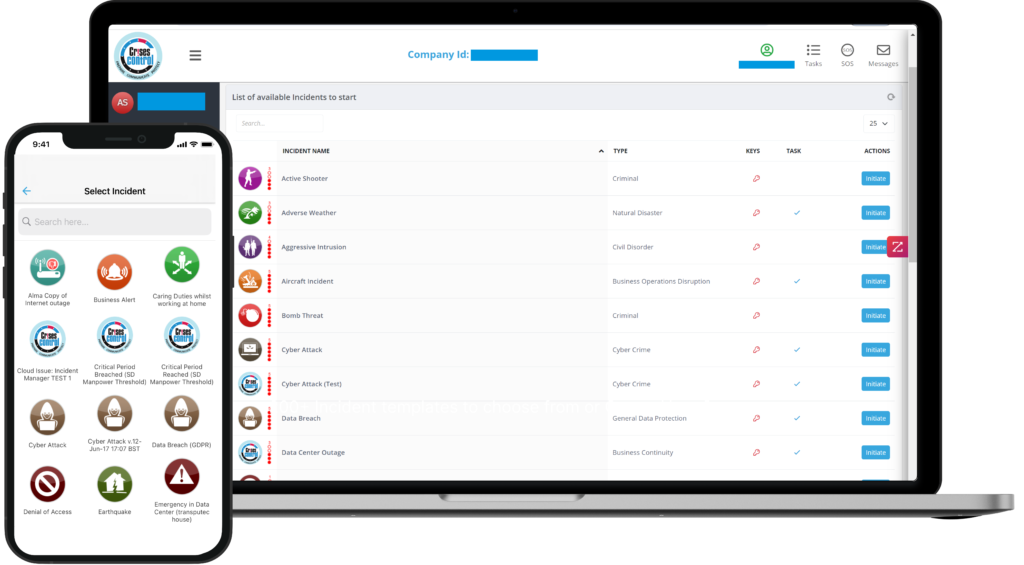
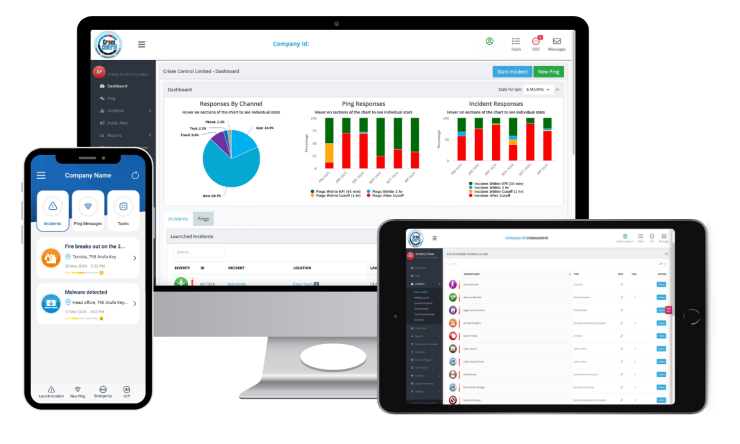
Interested in our Incident Management Software?
Flexible Incident Management Software to keep you connected and in control.
The Role of Incident Documentation Software in Post-Crisis Management
While incident reporting software captures the event and incident compliance software ensures regulatory alignment, incident documentation software is what preserves the full story of the incident.
It ensures that:
- Every action is recorded and timestamped
- Decision-making is traceable
- Investigation steps are fully documented
- Audit trails remain complete and accessible
In pharmaceutical environments, this documentation is critical for inspections, legal review, and quality assurance audits.
Without structured documentation, organisations rely on fragmented records that can weaken compliance defensibility.
Why Post-Incident Visibility Matters More Than Most Organisations Realise
One of the most overlooked risks in pharmaceutical incident management is loss of visibility after the crisis ends.
Once operational urgency decreases, updates slow down and documentation becomes less consistent. However, regulators and internal quality teams still require a complete and accurate record.
Incident reporting software prevents this gap by maintaining a continuous record of:
- Incident timelines
- Actions taken
- Communication logs
- Escalation decisions
- Resolution outcomes
This ensures that visibility is not lost once the crisis phase ends.
Turning Incident Data Into Long-Term Quality Improvement
The post-crisis phase is not only about compliance. It is also about improving future performance.
When incident data is properly structured, pharmaceutical organisations can identify:
- Recurring manufacturing issues
- Supply chain vulnerabilities
- Communication breakdowns
- Training gaps
- Delays in escalation or response
This is where incident reporting software becomes a strategic tool, not just an operational one.
By analysing historical incident data, organisations can strengthen quality systems and reduce the likelihood of future incidents.
The Link Between Compliance and Operational Confidence
Strong post-incident processes do more than satisfy regulators. They build operational confidence.
When organisations know that every incident is fully:
- Captured
- Documented
- Reviewed
- Audited
They are better prepared for inspections, internal audits, and future incidents.
Incident compliance software ensures that this alignment between operations and regulation is maintained consistently across all incidents.
Preparing for the Next Incident Starts After the Last One
One of the most important principles in pharmaceutical risk management is that preparedness is built after the incident, not during it.
Every completed incident should strengthen the organisation’s ability to respond to the next one.
With structured systems in place, organisations can:
- Improve response frameworks
- Refine escalation procedures
- Strengthen communication pathways
- Reduce future investigation time
This continuous cycle is only possible when supported by integrated incident reporting software, documentation tools, and compliance systems.
Conclusion
In pharmaceutical environments, incident management does not end when the immediate crisis is resolved. The post-crisis phase is where compliance is proven, lessons are learned, and future resilience is built.
Incident reporting software ensures continuity from real-time response to post-incident review. When combined with incident documentation software and incident compliance software, pharmaceutical organisations gain full visibility, traceability, and control over the entire incident lifecycle.
See how Crises Control helps pharmaceutical organisations manage incidents end-to-end with real-time incident reporting software, structured incident documentation software, and robust incident compliance software.
Book a free demo today to improve visibility, strengthen compliance, and build long-term operational resilience.
FAQs
1. What happens after a pharmaceutical incident is contained?
After containment, companies focus on investigation, documentation, regulatory reporting, and corrective actions to ensure compliance and learning.
2. Why is incident reporting software important after a crisis?
Incident reporting software ensures all incident data is centralised, traceable, and available for audits and regulatory review.
3. What is incident documentation software used for?
It records the full incident lifecycle, including investigations, decisions, corrective actions, and audit trails.
4. How do pharmaceutical companies manage incidents?
They use structured systems combining incident reporting software, documentation tools, and compliance processes to ensure full traceability and regulatory adherence.
5. What is incident compliance software?
Incident compliance software ensures incidents are reported and documented according to regulatory requirements and audit standards.