Healthcare organisations operate in one of the most tightly regulated environments in the world. Every incident, whether clinical, operational, or product-related, has the potential to become a regulatory matter if not reported correctly, accurately, and on time.
This is where many organisations face challenges. Reporting is often treated as a reactive administrative task rather than a structured, real-time process. As a result, critical information can be delayed, incomplete, or inconsistent across teams.
This is exactly why Incident Reporting Software has become essential in modern healthcare environments.
Instead of relying on manual forms, emails, and spreadsheets, organisations now use Incident Reporting Software to ensure that every incident is captured in real time, escalated correctly, and documented in line with regulatory expectations.
Why Regulatory Reporting Is So Complex in Healthcare
Regulatory reporting is not a single process. It is a network of obligations that spans multiple agencies, departments, and incident types.
Healthcare organisations may need to report:
- Patient safety incidents
- Medication errors
- Medical device failures
- Data breaches
- Workplace health and safety incidents
- Serious adverse events
Each category has different timelines, formats, and escalation requirements.
Without a structured system, this creates confusion and increases the risk of non-compliance.
Incident Reporting Software helps solve this by standardising how incidents are captured and ensuring that all required information is collected at the point of reporting.
This reduces the likelihood of missing critical details that regulators expect.
The Cost of Inconsistent Incident Reporting
When incident reporting is handled manually, organisations often face:
- Delayed submissions to regulators
- Incomplete incident records
- Inconsistent documentation across departments
- Lack of visibility for leadership teams
- Difficulty tracking investigation progress
These issues do not just affect compliance. They also impact patient safety and organisational learning.
Incident Reporting Software reduces these risks by creating a single, structured reporting system where every incident follows the same workflow from initial report to final resolution.
How Incident Reporting Software Supports Regulatory Accuracy
One of the most important roles of Incident Reporting Software is ensuring accuracy in regulatory submissions.
When an incident is logged, the system can capture:
- Time and date of occurrence
- Location and department
- Individuals involved
- Severity level
- Immediate actions taken
- Supporting evidence
This ensures that regulators receive complete, structured, and consistent information.
It also reduces the burden on staff who would otherwise need to manually compile reports under time pressure.
In many organisations, Incident Reporting Software becomes the foundation for all downstream reporting activities, including escalation to compliance teams and external regulators.
The Role of Incident Documentation in Compliance
Regulatory reporting does not end once an incident is submitted.
Healthcare organisations must maintain a complete audit trail of:
- Investigations
- Decisions made
- Corrective actions
- Communication logs
- Final outcomes
This is where Incident Documentation Software becomes critical.
While Incident Reporting Software captures the initial event, Incident Documentation Software ensures that every step of the investigation and resolution process is fully recorded and traceable.
This level of documentation is essential during audits, inspections, and regulatory reviews.
How Pharmaceutical Companies Manage Incidents
In the pharmaceutical industry, incident management is even more complex due to global supply chains, strict regulatory oversight, and product safety requirements.
So how pharmaceutical companies manage incidents typically involves multiple layers of reporting and compliance tracking.
With Incident Reporting Software, pharmaceutical organisations can:
- Capture adverse event reports in real time
- Track product-related incidents across regions
- Standardise reporting formats for global compliance
- Monitor investigation progress across multiple teams
- Ensure timely escalation to regulatory authorities
Without a centralised system, these processes become fragmented across departments and geographies, increasing the risk of delayed reporting or incomplete data.
This is why Incident Reporting Software is now a core component of pharmaceutical safety and compliance frameworks.
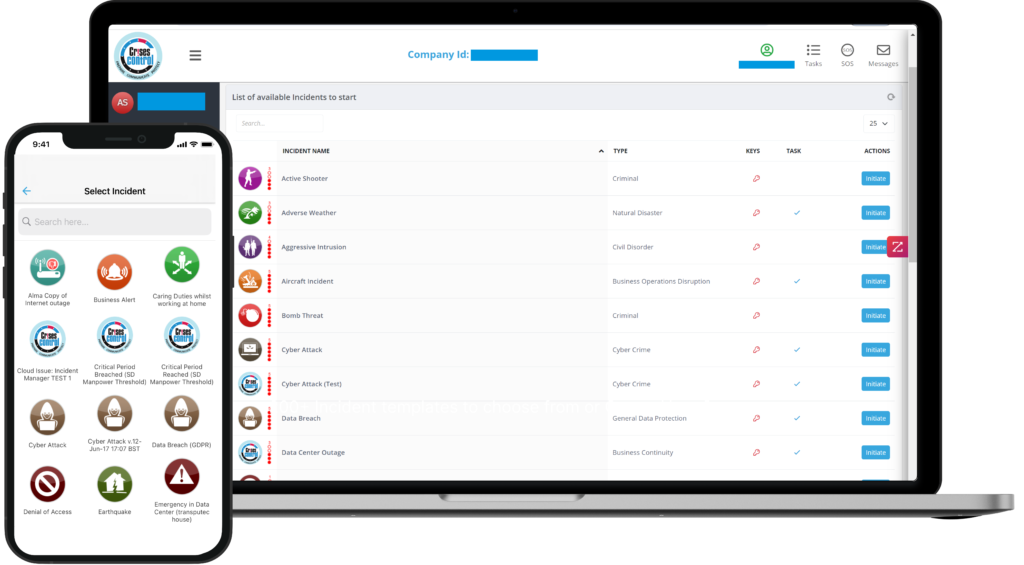
Interested in our Incident Management Software?
Flexible Incident Management Software to keep you connected and in control.
From Incident Capture to Compliance Assurance
A major strength of Incident Reporting Software is its ability to connect reporting with compliance workflows.
Once an incident is recorded, it can automatically:
- Trigger escalation rules based on severity
- Notify compliance teams in real time
- Assign tasks
- Track resolution deadlines
- Generate compliance-ready reports
This ensures that nothing is lost between reporting and regulatory submission.
When combined with Incident Compliance Software, organisations gain additional assurance that reporting processes align with industry regulations, internal policies, and external audit requirements.
Why Speed Matters in Regulatory Reporting
Regulators expect timely reporting, especially for high-risk incidents.
Delays can lead to:
- Regulatory penalties
- Loss of accreditation
- Reputational damage
- Increased scrutiny from oversight bodies
Incident Reporting Software helps reduce these risks by enabling real-time reporting from frontline staff. This ensures that incidents are logged immediately, not hours or days later.
Faster reporting also improves internal response times, allowing organisations to investigate and mitigate risks more effectively.
Building a Culture of Compliance Through Better Reporting
Technology alone is not enough. Healthcare organisations must also build a culture where reporting is consistent and encouraged.
When staff use Incident Reporting Software regularly, reporting becomes part of everyday workflow rather than an additional administrative burden.
This leads to:
- More complete incident data
- Faster escalation of risks
- Improved regulatory readiness
- Better organisational learning
Over time, this strengthens both compliance performance and patient safety outcomes.
Turning Incident Data Into Organisational Learning
Regulatory reporting is not just about meeting obligations. It is also about improving future performance.
By analysing data captured through Incident Reporting Software, organisations can identify:
- Recurring incident patterns
- Gaps in clinical processes
- Delays in escalation workflows
- Training needs across departments
This turns compliance activity into continuous improvement.
When paired with Incident Documentation Software, organisations gain a complete historical record of incidents that can be used for long-term safety and operational improvements.
Preparing for the Future of Healthcare Compliance
Healthcare regulation is becoming increasingly complex, with greater emphasis on transparency, digital reporting, and real-time data sharing.
Organisations that rely on manual systems will continue to face challenges in meeting these expectations.
Those that adopt Incident Reporting Software are better positioned to:
- Respond faster to incidents
- Maintain regulatory compliance
- Improve audit readiness
- Strengthen patient safety frameworks
Conclusion
Healthcare regulatory reporting is no longer a manual administrative task. It is a real-time, high-stakes process that directly impacts patient safety, compliance, and organisational performance.
Incident Reporting Software plays a central role in ensuring that incidents are captured accurately, escalated appropriately, and reported in line with regulatory expectations.
When combined with Incident Documentation Software and Incident Compliance Software, healthcare organisations gain a complete, end-to-end system for managing incidents from initial report through to final regulatory submission.
See how Crises Control helps healthcare organisations strengthen regulatory reporting with real-time Incident Reporting Software, structured workflows, and full audit-ready documentation.
Book a free demo today to improve compliance, streamline reporting, and strengthen patient safety across your organisation.
FAQs
1. What is incident reporting software in healthcare?
Incident reporting software is a digital system used to record, manage, and track healthcare incidents in real time to improve safety and compliance.
2. How does incident reporting software help with regulatory reporting?
It standardises incident data collection, ensures accurate documentation, and enables faster, more consistent reporting to regulators.
3. Why is regulatory reporting important in healthcare?
Regulatory reporting ensures patient safety incidents are properly documented and escalated to meet legal and compliance requirements.
4. What is the difference between incident reporting and incident documentation software?
Incident reporting software captures and logs incidents, while incident documentation software ensures full records of investigations and outcomes.
5. How do pharmaceutical companies manage incidents?
Pharmaceutical companies use incident reporting software to track adverse events, manage compliance, and ensure timely reporting to global regulators.