Written by Anneri Fourie | Crises Control Executive
Emergencies can strike without warning. A sudden flood, a fire in a public building, or a security threat near a government facility can put lives at risk and create chaos for residents and staff alike. In these situations, the speed and clarity of communication can make a major difference. Citizens need accurate information quickly, and agencies must coordinate their response while keeping the public informed. Traditional communication methods like press releases, social media posts, or phone calls can be slow and unreliable. A Mass Notification System provides a central platform for government agencies to manage both internal and public alerts, ensuring residents receive timely and actionable information.
This blog explains how government agencies can use Mass Notification Systems to reach citizens effectively during emergencies. It explores the challenges agencies face, how mass notification technology solves them, and practical ways Crises Control can support a smooth, reliable, and compliant alerting process.
The Challenge of Reaching Citizens During Emergencies
Imagine a city facing sudden flooding after heavy rain. Emergency teams are on the ground, but the residents in the affected areas have not received any instructions. Some citizens might try to call emergency services, others may turn to social media for updates, and confusion spreads quickly. This is a common problem: government agencies often have multiple tools for communication, but these are disconnected or manual, leading to delays.
Other scenarios include:
- Civil unrest or protests near government buildings where staff and nearby citizens need immediate safety instructions.
- Power outages or IT system failures that prevent email or web-based alerts from reaching people.
- Public health incidents that require rapid dissemination of guidance to large populations.
The core issue is clear: without a fast and reliable way to send alerts, citizens may not receive critical instructions when they need them, and agencies struggle to maintain operational control.
How Mass Notification Systems Solve These Problems
A Mass Notification System provides a platform for sending alerts to large groups of people quickly. For government agencies, this has two main applications:
- Internal Alerts: Teams within government agencies, emergency responders, IT staff, and executive teams need to coordinate efficiently. Mass Notification Systems allow instant internal communication through multiple channels such as SMS, email, voice calls, push notifications, and collaboration tools like Microsoft Teams. Agencies can activate predefined response plans, assign responsibilities, and track progress in real-time.
- Public Alerts: For citizens outside the organisation, mass notifications provide a reliable way to reach people directly. Crises Control’s Public Alerting module, for example, sends SMS messages to residents who have opted in and provided their mobile numbers. This ensures the public receives clear, actionable instructions without relying on social media, press coverage, or public announcements that may be delayed or inconsistent.
These systems allow agencies to manage emergencies with speed, coordination, and accuracy, improving both operational outcomes and citizen safety.
Mass Notification System for Citizen Alerts
Reaching the public effectively requires a system designed specifically for citizen alerts. Government agencies can use a Mass Notification System for citizen alerts to send messages directly to mobile phones, targeting residents in affected areas. Citizens provide their numbers and consent to receive alerts through online forms, QR code sign-ups, or previously registered databases. This ensures that agencies can communicate with people who want to receive alerts and maintain compliance with privacy regulations.
A well-configured system enables:
- Geographic targeting, so only people in areas at risk are notified.
- Pre-approved message templates to communicate instructions clearly and consistently.
- Retry mechanisms to attempt delivery to recipients who may have missed the first alert.
- Audit logs, so every message sent is tracked for reporting and compliance purposes.
Using a Mass Notification System for citizen alerts ensures agencies can send urgent updates without delay, reducing confusion and improving public safety.
Emergency Mass Notification Software: Speed and Coordination
Internal coordination is as critical as public communication. Emergency Mass Notification Software allows government teams to respond quickly and efficiently. For example, if a fire breaks out in a municipal building:
- The software can alert the facilities team, security, and executives simultaneously.
- Staff can be directed to follow evacuation plans while emergency services are notified.
- Teams can assign responsibilities and monitor progress within the platform.
- All actions are logged automatically for review after the event.
By combining internal coordination with public alerts, agencies can manage incidents in a controlled and transparent way. This avoids fragmented communication, duplicated efforts, or delays that can occur when teams rely on multiple, disconnected systems.
Critical Event Management Software for Government
For complex incidents, a Critical Event Management Software platform provides a centralised view of all activities. It allows agencies to monitor incidents in real-time, update plans as the situation evolves, and coordinate multiple teams across locations. Critical Event Management Software is particularly useful for:
- Multi-site incidents such as regional flooding or widespread power outages.
- Tracking civil unrest or security threats across multiple facilities.
- Ensuring continuity of essential services during public health emergencies.
By integrating mass notifications with critical event management, agencies can maintain control over every aspect of the response, from staff mobilisation to public alerts. The combination improves efficiency and accountability while ensuring citizens remain informed.
Cloud-Based Mass Notification Software: Reliable and Accessible
Cloud-based systems offer flexibility and reliability that on-premise tools may struggle to provide. A Cloud-Based Mass Notification Software platform allows authorised personnel to send alerts from anywhere, ensuring coverage even if local infrastructure fails. Key advantages include:
- Scalability to handle large numbers of alerts simultaneously.
- Reduced reliance on on-site servers, which may be vulnerable during emergencies.
- Continuous operation independent of other IT systems or third-party services.
Cloud-based solutions also allow agencies to integrate internal and external alerts in one place, providing a single point of control for emergency communications.
Emergency Communication Solutions for Government
A comprehensive emergency communication solution combines public alerts and internal coordination in a single platform. Agencies can:
- Send SMS alerts to citizens who have opted in.
- Notify internal staff, emergency responders, and executives through multiple channels.
- Use predefined templates and response plans for fast, consistent messaging.
- Access full reporting and audit logs to demonstrate compliance with regulations.
Crises Control provides a platform that brings these capabilities together, allowing agencies to respond efficiently to both local and regional incidents. With geo-targeting, delivery tracking, and cloud-based reliability, agencies can reach the right people with the right message at the right time.
Practical Benefits for Government Agencies
Implementing a Mass Notification System provides clear advantages:
- Faster public alerts, reducing confusion and improving safety.
- Targeted messaging, sending information only to those affected.
- Consistency in instructions, avoiding misinformation or contradictory guidance.
- Improved internal coordination, allowing teams to act quickly and effectively.
- Audit-ready reporting, meeting compliance requirements and supporting post-incident review.
- Privacy compliance, ensuring citizens’ contact information is used appropriately.
These benefits help agencies manage emergencies in a structured, professional, and citizen-focused way.
How Crises Control Supports Effective Mass Notification
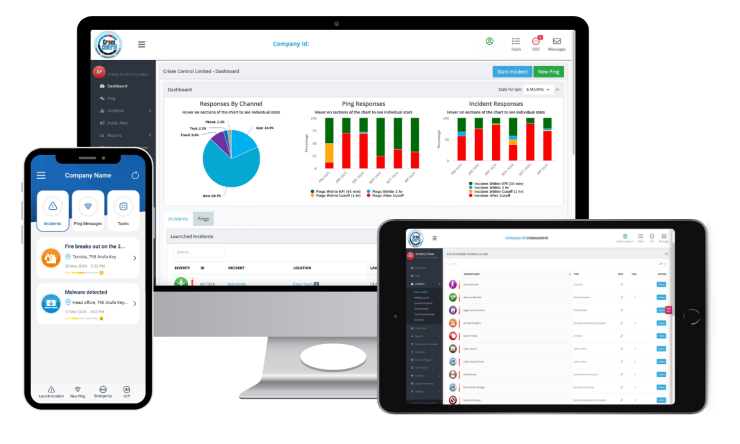
Crises Control offers a solution designed to handle both public alerts and internal coordination seamlessly. Our Public Alerting module allows SMS communication with citizens who have opted in. Internal teams benefit from multi-channel alerts, real-time task assignment, and progress tracking. Cloud-based architecture ensures the platform remains accessible during IT outages or other infrastructure failures. Templates, geo-targeting, and audit logs provide transparency and reliability.
By combining citizen alerts with internal incident management, Crises Control helps government agencies maintain operational control while keeping the public informed. The platform reduces manual processes, ensures messages are delivered consistently, and supports compliance with data privacy and emergency management regulations.
Taking the Next Steps
Government agencies looking to improve emergency communication can start by assessing their current alerting capabilities. Key considerations include:
- Ensuring a system exists to collect citizen consent and mobile numbers.
- Evaluating cloud-based mass notification platforms for reliability and flexibility.
- Integrating internal and public alerting into a single platform.
- Preparing templates and response plans for common emergency scenarios.
- Reviewing audit and reporting requirements to ensure compliance.
Investing in a modern Mass Notification System helps agencies respond efficiently, reduce confusion, and improve public trust during critical events.
Get Started with Crises Control
A Mass Notification System transforms how government agencies communicate during emergencies. By integrating public alerts with internal coordination, agencies can deliver timely information to citizens while keeping operations organised and transparent. Crises Control provides a cloud-based, compliance-ready solution that enables agencies to send SMS alerts to citizens, coordinate staff and responders, and track every action for reporting purposes.
To see how your agency can improve emergency response and public communication, contact us today to get a free demo.
Request a FREE Demo