In healthcare, a product recall is never just an operational inconvenience. It is a patient safety incident that requires immediate, coordinated action across clinical, operational, and compliance teams.
Whether the issue involves a contaminated medicine, defective medical device, or labelling error, the risk is immediate. Patients may already have been exposed, clinicians may still be using affected products, and regulatory bodies expect rapid response.
At this point, the effectiveness of the organisation’s response depends heavily on one capability: Incident Reporting Software.
Without Incident Reporting Software, recall information is often fragmented across emails, spreadsheets, phone calls, and manual reporting channels. This fragmentation slows down decision-making and increases the risk of inconsistent actions across departments.
With Incident Reporting Software, organisations gain a centralised system for capturing, tracking, and managing recall-related incidents in real time, ensuring faster and more coordinated responses.
Why Speed and Visibility Matter in Product Recalls
The first few hours of a product recall are critical. Healthcare organisations must quickly determine:
- What product is affected
- Where it has been distributed
- Which patients may be impacted
- What immediate actions are required
Without structured systems, this process is slow and often inconsistent. Different departments may be working with different versions of the same information.
This is where Incident Reporting Software becomes essential. It provides real-time visibility into reported issues, allowing frontline staff to log concerns immediately and enabling risk teams to identify patterns early.
In many healthcare environments, early warning signs of a recall are first detected through incident reports. When supported by Incident Reporting Software, these signals are captured, escalated, and acted on before they escalate into widespread harm.
The Hidden Cost of Fragmented Incident Reporting
One of the biggest challenges in healthcare recall management is fragmentation.
In many organisations, recall-related information is spread across:
- Emails between departments
- Excel tracking sheets
- Phone-based updates
- Paper documentation
- Separate compliance systems
This leads to duplication, delays, and inconsistent decision-making.
Incident Reporting Software removes this fragmentation by centralising all incident data into a single platform. Every report, update, and action is recorded in real time, creating a unified operational picture.
This is particularly important in large healthcare systems where multiple hospitals, departments, and suppliers are involved in a single recall event.
Without Incident Reporting Software, organisations often struggle to answer even basic questions such as:
- Has the product been fully removed from circulation?
- Which departments have confirmed action completion?
- Are there outstanding risks still unaddressed?
With Incident Reporting Software, these answers are visible instantly.
Coordinating Multi-Team Response Efforts
Product recalls require coordinated action across multiple departments:
- Pharmacy teams isolate affected stock
- Clinical teams assess patient exposure
- Procurement teams trace supply chains
- Compliance teams manage regulatory reporting
- Leadership teams oversee communication strategy
Without structure, this coordination becomes complex and prone to delays.
Incident Reporting Software enables structured workflows where tasks can be:
- Assigned to specific teams or individuals
- Prioritised based on urgency
- Tracked in real time
- Escalated automatically if overdue
- Logged for audit purposes
This ensures accountability at every stage of the response.
When combined with Incident Documentation Software, every action taken during the recall is recorded, creating a complete audit trail that supports both internal review and regulatory compliance.
Communication Challenges During Healthcare Recalls
Communication is one of the most critical and vulnerable aspects of recall management.
During a recall, organisations must communicate with:
- Clinical teams
- Pharmacy departments
- Suppliers and manufacturers
- Regulatory authorities
- Senior leadership
- Sometimes patients directly
When communication is fragmented, critical updates can be missed or delayed. This can result in continued use of recalled products or incomplete removal from circulation.
Incident Reporting Software helps solve this by ensuring all updates are recorded in one system and shared in real time with relevant stakeholders.
This structured communication reduces reliance on informal channels and ensures consistency across the organisation.
When paired with Incident Compliance Software, organisations also ensure that all communication actions meet regulatory requirements and are fully documented.
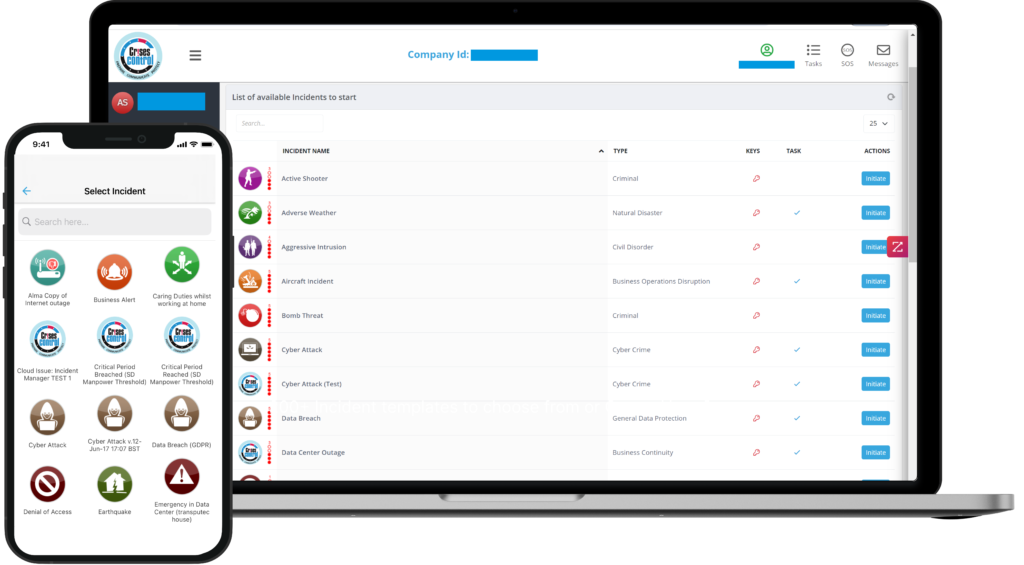
Interested in our Incident Management Software?
Flexible Incident Management Software to keep you connected and in control.
The Role of Documentation in Recall Management
Every product recall must be fully documented for regulatory, legal, and operational purposes.
Healthcare organisations must be able to demonstrate:
- When the recall was identified
- What actions were taken
- Who was notified
- How patients were protected
- When resolution occurred
This is where Incident Documentation Software becomes critical.
While Incident Reporting Software captures real-time incident activity, Incident Documentation Software ensures that all supporting evidence, decisions, and communications are properly recorded and stored.
Together, they create a complete lifecycle record of the recall, which is essential for audits, inspections, and internal reviews.
From Reactive Response to Controlled Workflow
Without structured systems, recall management is often reactive. Teams respond to issues as they arise, relying on manual coordination and informal updates.
This approach increases the risk of delays and inconsistencies.
With Incident Reporting Software, organisations can shift from reactive response to structured workflow management.
This includes:
- Clear task allocation
- Defined escalation pathways
- Real-time progress tracking
- Centralised communication
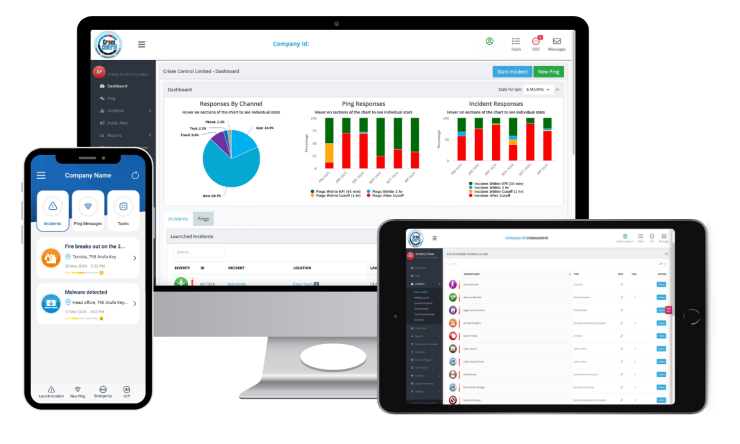
- Live status dashboards
This structured approach improves coordination and reduces uncertainty during high-pressure situations.
Turning Incident Data Into Organisational Learning
Once a recall is resolved, the focus should shift to learning and improvement.
Incident Reporting Software provides valuable data that can be analysed to identify:
- Communication delays
- Supply chain weaknesses
- Recurring product issues
- Gaps in escalation procedures
- Training or process failures
Over time, this data helps organisations strengthen their response capabilities and reduce the likelihood of repeat incidents.
This continuous improvement cycle is one of the most important benefits of digital incident management systems.
Preparing for the Next Recall
Effective recall management is not built during a crisis. It is built beforehand.
Healthcare organisations that perform well in recall situations typically have:
- Standardised reporting processes
- Clearly defined escalation procedures
- Trained staff familiar with recall workflows
- Centralised incident management systems
- Regular simulation exercises
Incident Reporting Software plays a central role in maintaining this readiness by ensuring that all incident data is consistently captured and accessible.
This means that when a recall occurs, organisations are responding with structure rather than improvisation.
Conclusion
Product recalls are among the most complex and high-risk incidents in healthcare, requiring speed, coordination, and absolute clarity across all teams.
Incident Reporting Software is the foundation of an effective recall response. It enables real-time visibility, structured workflows, and centralised communication, ensuring that organisations can respond quickly and consistently when patient safety is at risk.
When combined with Incident Documentation Software and Incident Compliance Software, healthcare organisations gain full control over the recall lifecycle from detection to resolution.
See how Crises Control helps healthcare organisations strengthen recall management with real-time Incident Reporting Software, structured workflows, and complete visibility across every stage of an incident.
From detection to resolution, our platform ensures every action is recorded, coordinated, and compliant.
Book a free demo today to improve incident response, strengthen compliance, and protect patient safety when it matters most.
FAQs
1. What is product recall incident management?
Product recall incident management is the structured process of identifying, communicating, tracking, and resolving issues involving defective or unsafe healthcare products.
2. Why are product recalls important in healthcare?
Product recalls help protect patients by removing unsafe medicines, medical devices, or healthcare products before they cause further harm.
3. Who is responsible for managing a healthcare product recall?
Manufacturers, healthcare providers, pharmacies, distributors, regulatory bodies, and healthcare organisations all play important roles in managing recalls.
4. How does incident reporting software support product recalls?
Incident reporting software centralises communication, tracks actions, documents decisions, and helps organisations coordinate recall activities more efficiently.
5. What happens after a product recall?
Healthcare organisations investigate the incident, identify root causes, implement corrective actions, and review lessons learned to reduce future risks.