Healthcare organisations operate in one of the most complex and highly regulated environments in the world. Every day, healthcare professionals make thousands of critical decisions while balancing patient care, staff safety, operational pressures, and regulatory compliance. Even with highly trained teams and well-established procedures, incidents can still occur.
A medication error, equipment malfunction, patient fall, cyber incident, or communication breakdown can have serious consequences if not managed effectively. What separates resilient healthcare organisations from those that struggle is not the absence of incidents but how quickly they are identified, reported, investigated, and learned from.
This is where incident reporting software has become an essential part of modern healthcare operations.
Rather than relying on paper forms, spreadsheets, or disconnected reporting processes, healthcare organisations are increasingly adopting digital reporting systems that streamline incident management, improve visibility, and support continuous improvement. When implemented effectively, these platforms help create a culture where staff feel confident reporting issues, leadership gains valuable operational insights, and organisations can strengthen patient safety.
This article explores the best practices healthcare organisations should follow when implementing incident reporting software and explains how digital reporting can improve safety, compliance, and organisational resilience.
Why Incident Reporting Matters
Every incident tells a story.
Some reveal weaknesses in clinical procedures. Others expose communication failures, staffing shortages, equipment issues, or training gaps. Many incidents occur because several small problems combine rather than one major failure.
Unfortunately, many incidents go unreported.
Healthcare staff often work under immense pressure, and reporting can sometimes feel like an administrative burden. If reporting processes are time-consuming or overly complicated, valuable information may never reach those responsible for improving safety.
This creates significant challenges.
Without reliable incident data, healthcare organisations struggle to identify trends, understand recurring risks, and implement meaningful improvements.
Effective incident reporting software removes many of these barriers by making reporting faster, easier, and more accessible across the organisation.
What Is Incident Reporting Software?
Incident reporting software is a digital platform designed to record, manage, investigate, and monitor incidents throughout their lifecycle.
Instead of completing paper forms or sending emails, staff can submit reports through a centralised system using computers or mobile devices.
Most modern platforms allow organisations to record:
- Patient safety incidents
- Medication errors
- Workplace injuries
- Security incidents
- Aggressive behaviour
- Equipment failures
- Infection control breaches
- Data security incidents
- Near misses
- Environmental hazards
Once submitted, reports can be automatically assigned to investigators, escalated to managers, and tracked until corrective actions have been completed.
The result is a consistent, transparent process that improves accountability while reducing administrative workloads.
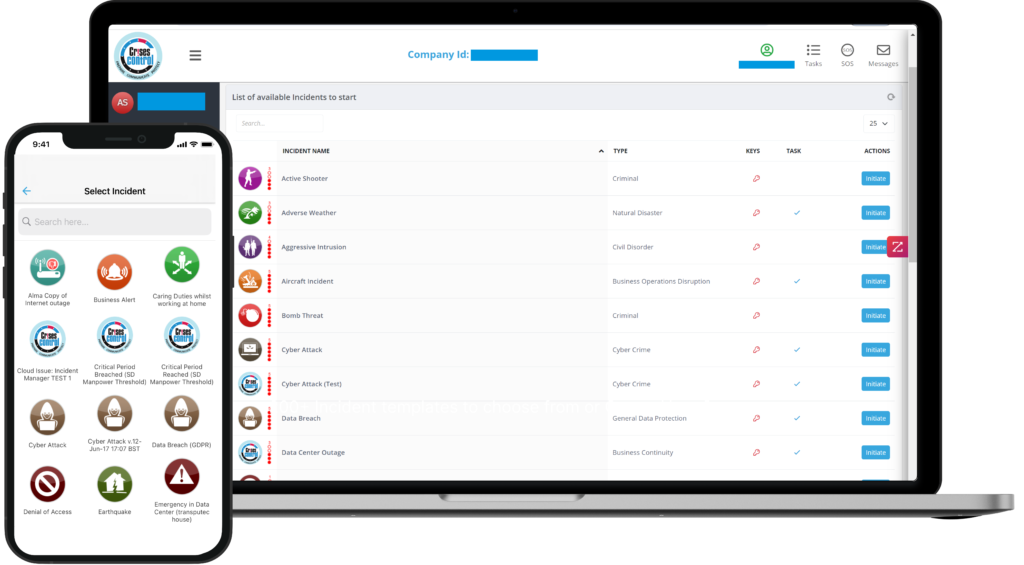
Interested in our Incident Management Software?
Flexible Incident Management Software to keep you connected and in control.
Best Practice 1: Create a Positive Reporting Culture
Technology alone does not improve safety.
People do.
One of the biggest barriers to effective incident reporting is fear. Staff may worry about blame, disciplinary action, or criticism if they report mistakes.
Healthcare organisations that encourage open reporting consistently collect better quality information.
Leaders should communicate that reporting incidents is about learning rather than assigning blame. Every reported incident provides an opportunity to improve systems, procedures, and patient outcomes.
A positive reporting culture encourages employees to report:
- Near misses
- Unsafe conditions
- Minor incidents
- Process failures
- Equipment concerns
These reports often prevent more serious incidents from occurring later.
Best Practice 2: Make Reporting Simple
Complex reporting forms discourage participation.
Healthcare professionals have limited time during busy shifts, and reporting systems should reflect this reality.
Effective incident reporting software provides intuitive forms with logical workflows, dropdown menus, automatic field completion, and mobile accessibility.
The easier it is to submit an incident report, the more likely staff are to report issues promptly.
Reducing unnecessary administrative steps allows healthcare professionals to spend more time focusing on patient care while still contributing valuable safety information.
Best Practice 3: Standardise Incident Classification
Consistency is essential when analysing incidents.
Different departments often describe similar incidents in different ways, making organisation-wide analysis difficult.
Using standard categories allows healthcare organisations to compare incidents accurately across multiple sites and departments.
Typical classifications include:
- Clinical incidents
- Patient safety events
- Medication incidents
- Information security
- Health and safety
- Facilities management
- Infection prevention
- Security
- Near misses
Standardised reporting improves trend analysis and supports more informed decision making.
Best Practice 4: Encourage Near Miss Reporting
Some of the most valuable reports involve incidents that never actually happened.
Near misses occur when an error is identified before causing harm.
Examples include:
- Incorrect medication identified before administration.
- Faulty equipment removed before patient use.
- Incorrect patient documentation corrected before treatment.
- Security vulnerabilities discovered before exploitation.
Near miss reporting allows organisations to identify weaknesses before they become serious patient safety events.
Organisations with mature safety cultures actively encourage staff to report these events because they provide valuable learning opportunities with minimal harm.
Best Practice 5: Integrate Incident Documentation into Daily Workflows
Recording incidents should become part of everyday operations rather than an additional administrative task.
Modern incident documentation software can integrate with existing clinical and operational workflows, allowing staff to report incidents quickly while information is still fresh.
Immediate reporting improves:
- Accuracy
- Evidence collection
- Witness statements
- Timeline reconstruction
- Corrective action planning
Delayed reporting often results in incomplete information and reduces the effectiveness of subsequent investigations.
Healthcare organisations should ensure reporting tools are available wherever incidents occur, including wards, outpatient clinics, laboratories, pharmacies, and community settings.
Best Practice 6: Use Data to Identify Trends
Incident reporting should not end once a report has been submitted.
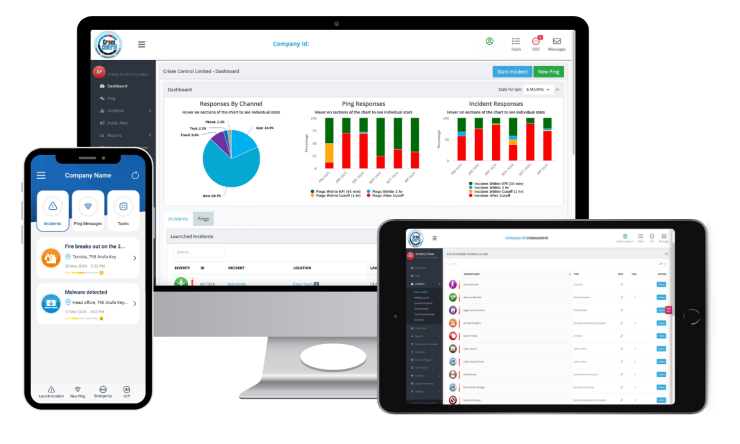
The real value lies in analysing the data to identify patterns and recurring risks. Modern incident reporting software provides dashboards and reporting tools that help healthcare leaders monitor trends over time.
For example, organisations may discover:
- An increase in patient falls within a particular ward.
- Repeated equipment failures involving the same device.
- Medication errors occurring during shift changes.
- Higher numbers of incidents during periods of staff shortages.
- Seasonal increases in infection control incidents.
By identifying these trends early, healthcare organisations can implement targeted improvements before risks escalate into larger problems.
Regular reporting also supports strategic decision making by providing evidence that informs staffing, training, equipment investment, and operational planning.
Best Practice 7: Define Clear Roles and Responsibilities
Effective incident management requires accountability.
Everyone involved in the reporting process should understand their responsibilities, from frontline staff reporting incidents to managers investigating root causes and leadership overseeing corrective actions.
A clearly defined workflow should answer questions such as:
- Who reviews incoming reports?
- Who investigates serious incidents?
- When should incidents be escalated?
- How are corrective actions assigned?
- How is progress monitored?
Incident reporting software simplifies this process by automatically assigning tasks, sending notifications, and tracking actions through to completion.
This reduces delays and ensures no incident is overlooked.
Best Practice 8: Support Regulatory Compliance
Healthcare organisations operate under strict regulatory requirements that demand accurate documentation and timely reporting.
Whether responding to patient safety events, workplace injuries, data breaches, or medication incidents, organisations must maintain comprehensive records that demonstrate compliance.
Incident compliance software helps organisations by:
- Maintaining secure audit trails.
- Recording investigation outcomes.
- Tracking corrective actions.
- Producing reports for inspections.
- Standardising documentation across departments.
Digital records also reduce the risk of missing information during inspections or audits, giving healthcare organisations greater confidence in their compliance processes.
Best Practice 9: Train Staff Regularly
Even the most advanced software cannot deliver results if employees do not know how to use it effectively.
Training should not stop after implementation.
Healthcare organisations should provide regular refresher sessions covering:
- What constitutes an incident.
- When incidents should be reported.
- How to report near misses.
- Using mobile reporting tools.
- Escalation procedures.
- Investigation processes.
Scenario-based exercises can also improve confidence by allowing staff to practise reporting realistic incidents in a controlled environment.
Regular training reinforces the importance of reporting while helping maintain consistency across departments.
Best Practice 10: Learn From Every Incident
The purpose of incident reporting is not simply to collect information.
It is to create continuous improvement.
Every investigation should conclude with lessons learned and clearly defined actions that reduce the likelihood of similar incidents occurring again.
Healthcare organisations should ask:
- What happened?
- Why did it happen?
- Could it happen elsewhere?
- What changes should be implemented?
- How will improvements be monitored?
Sharing lessons across departments helps strengthen organisational learning and promotes a proactive safety culture.
The most resilient healthcare organisations treat every incident as an opportunity to improve systems rather than assign blame.
How Incident Reporting Software Strengthens Patient Safety
Modern healthcare relies on timely information.
When incidents are reported quickly, organisations can respond faster, reduce operational disruption, and minimise potential harm.
Digital reporting platforms improve communication between frontline staff, department managers, compliance teams, and senior leadership, ensuring everyone has access to accurate, real-time information.
They also support emergency preparedness by providing a complete picture of ongoing operational risks, allowing healthcare organisations to make informed decisions during both routine operations and major incidents.
As healthcare becomes increasingly digital, organisations that invest in effective incident reporting systems are better positioned to improve patient safety, strengthen compliance, and build long-term resilience.
Conclusion
Incidents are an unavoidable part of healthcare, but preventable harm does not have to be.
By following best practices such as encouraging a positive reporting culture, simplifying reporting processes, standardising documentation, analysing trends, and learning from every event, healthcare organisations can transform incident reporting into a powerful driver of continuous improvement.
The right incident reporting software does far more than record events. It helps organisations identify risks earlier, respond more effectively, meet regulatory requirements, and ultimately deliver safer care for patients.
Healthcare leaders who invest in better reporting today will be better prepared for the challenges of tomorrow.
Want to see how Crisis Control can help your healthcare organisation improve incident reporting, strengthen compliance, and enhance emergency response?
Book a demo today to discover how our platform supports safer, more resilient healthcare operations.
FAQs
1. What is incident reporting software?
Incident reporting software enables healthcare organisations to record, manage, investigate, and analyse incidents in a secure digital platform.
2. Why is incident reporting important in healthcare?
Accurate reporting helps improve patient safety, identify risks, support compliance, and prevent similar incidents from happening again.
3. Who uses incident reporting software?
Hospitals, clinics, care homes, ambulance services, pharmaceutical companies, laboratories, and other healthcare providers all benefit from incident reporting software.
4. What types of incidents should be reported?
Healthcare organisations should report patient safety incidents, medication errors, equipment failures, security incidents, workplace injuries, infection control breaches, and near misses.
5. How does incident reporting software improve compliance?
Digital systems standardise reporting, maintain complete audit trails, improve documentation accuracy, and help organisations meet regulatory requirements.